
Carbon water filters improve taste and remove chlorine, but they cannot eliminate all contaminants, making additional filtration necessary for complete protection.
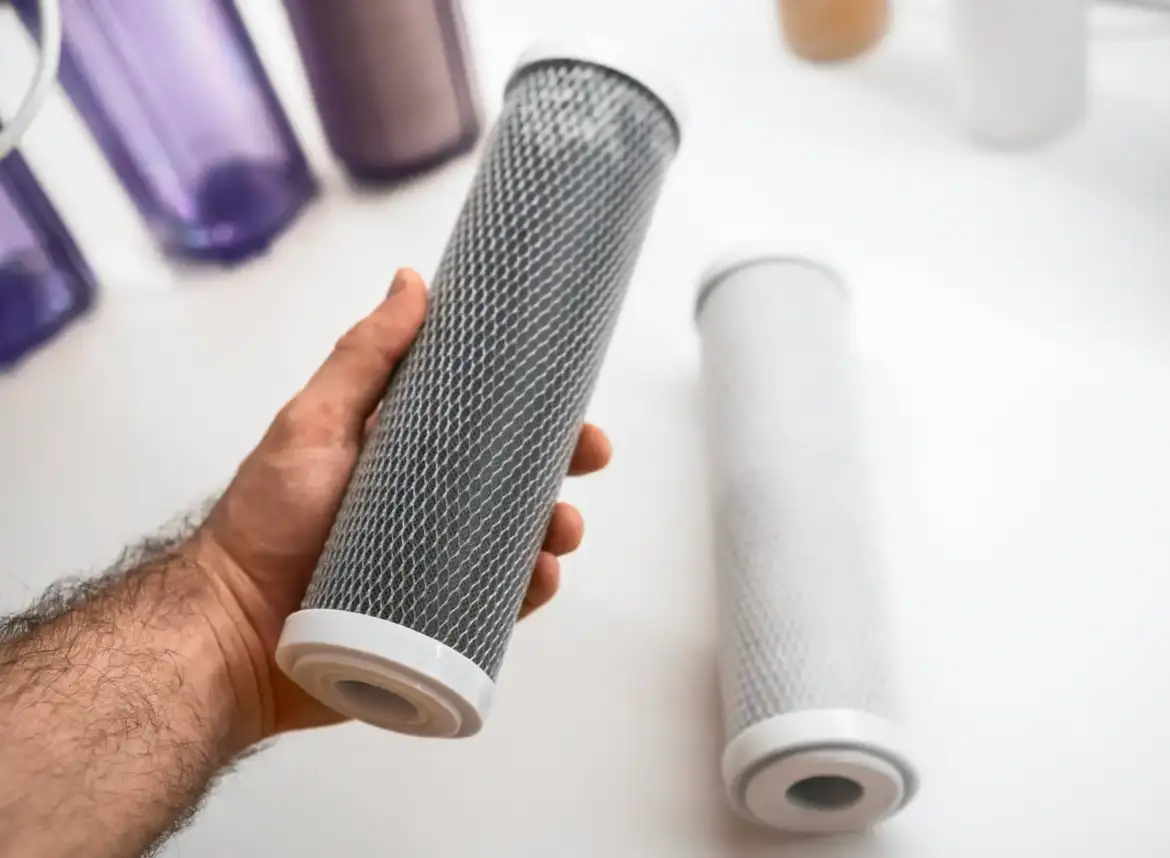

Carbon water filters improve taste and remove chlorine, but they cannot eliminate all contaminants, making additional filtration necessary for complete protection.

Tap water may aggravate rosacea through minerals or contaminants; proper filtration can reduce irritation and support calmer, healthier-looking skin overall.

UV water treatment kills microbes, but may not remove chemicals or sediments; understanding your water quality determines if additional filtration is needed.

Water quality impacts taste, equipment lifespan, and experience; Georgia restaurants benefit from reliable commercial water filtration systems for consistent performance.

Hard water causes spots, residue, and buildup. Learn the difference between water conditioners and softeners to choose the best home solution.
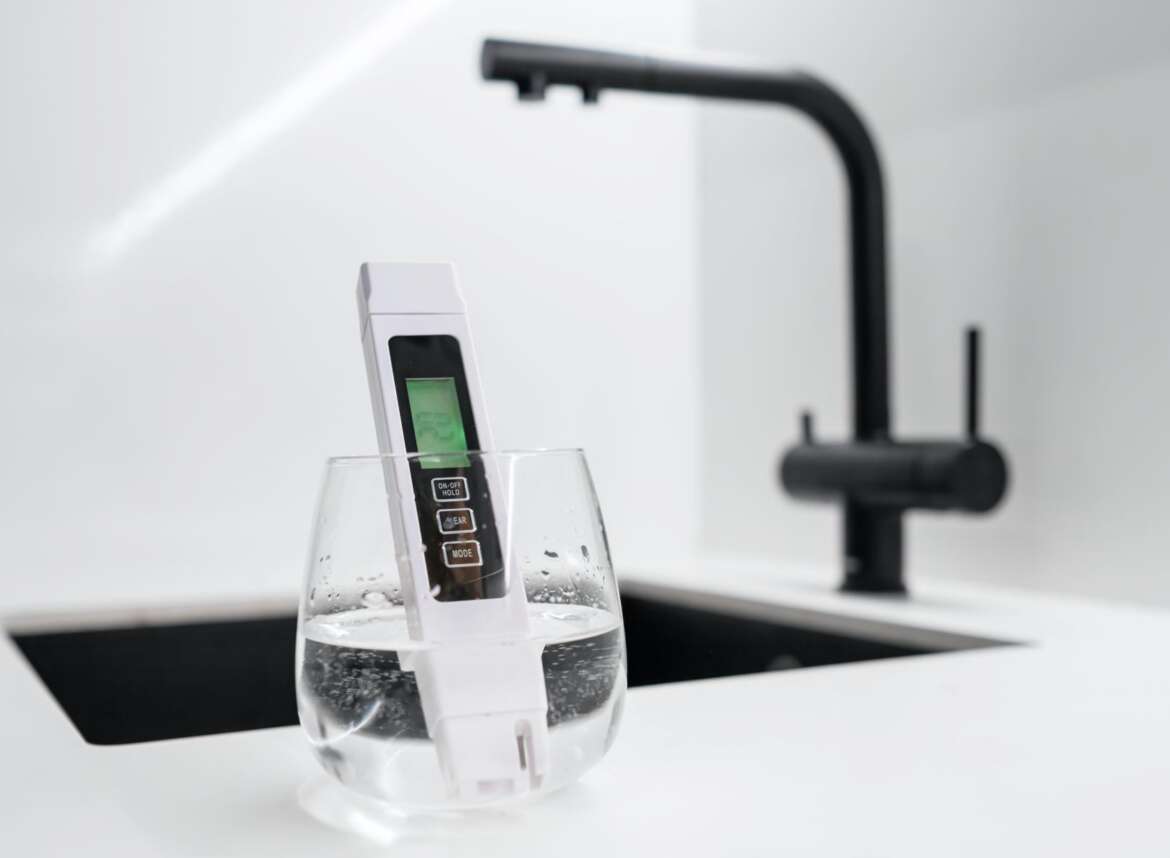
Notice white spots or metallic taste? High total dissolved solids may be the cause. Learn how to test and improve water quality.
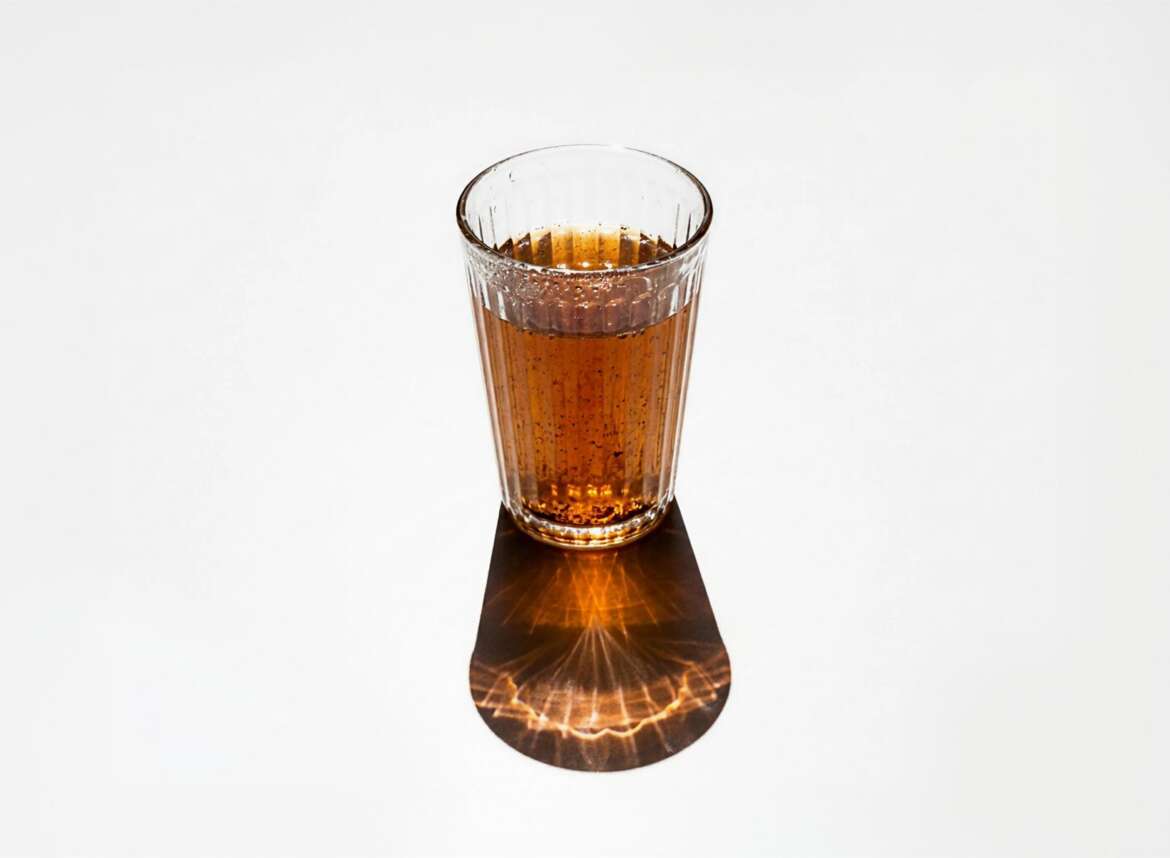
Orange slime in your toilet tank could signal iron bacteria in well water. Learn what causes it and effective treatment solutions.

Stormwater runoff carries pollutants into Georgia’s rivers and lakes. Learn how it happens and how homeowners can help protect water.

Poor water quality can dull results, damage equipment, and fade color, making proper salon filtration essential for consistent, professional performance.
Orange stains and metallic smells in Georgia well water signal iron issues—proper filtration restores clarity, protects plumbing, and improves taste.

Mineral buildup and dry skin signal hard water, compare DIY test kits versus professional analysis to protect plumbing and appliances.
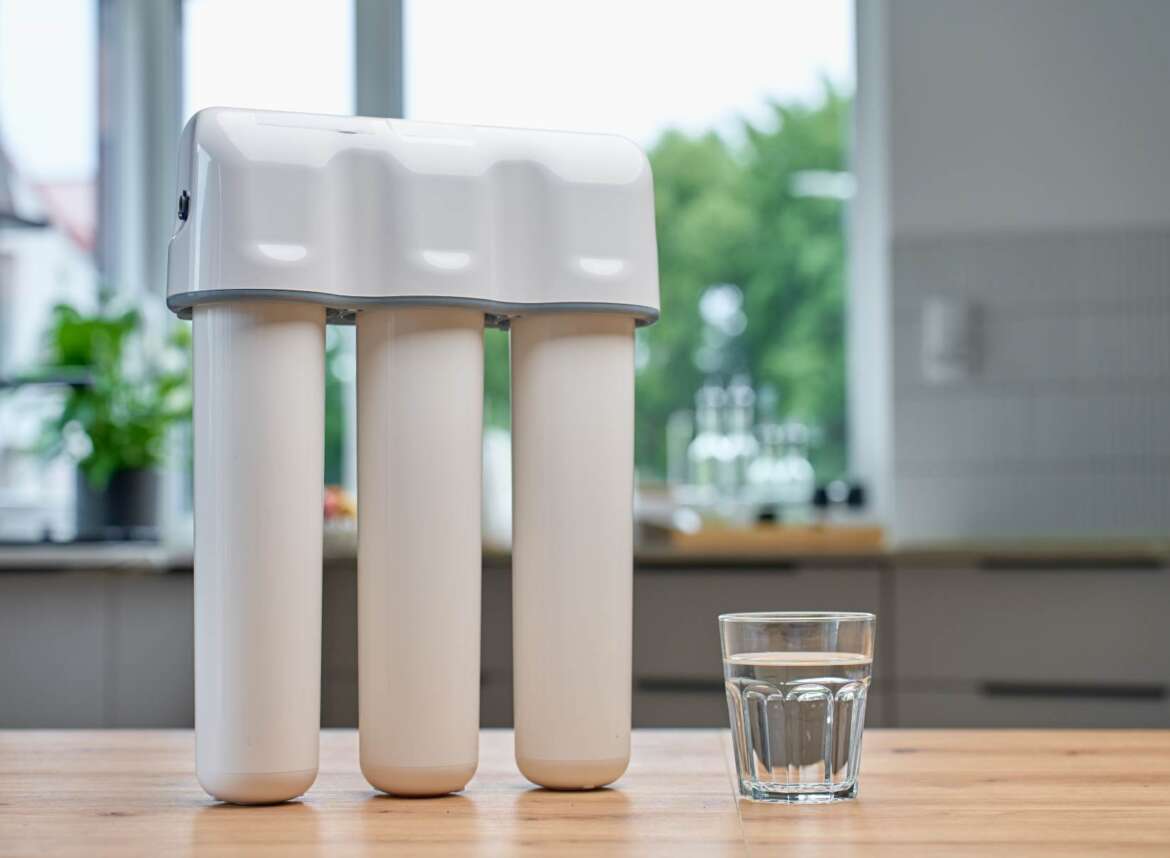
Choosing between reverse osmosis and carbon filters means balancing performance, protection, and long-term value for cleaner, more confident water decisions.