
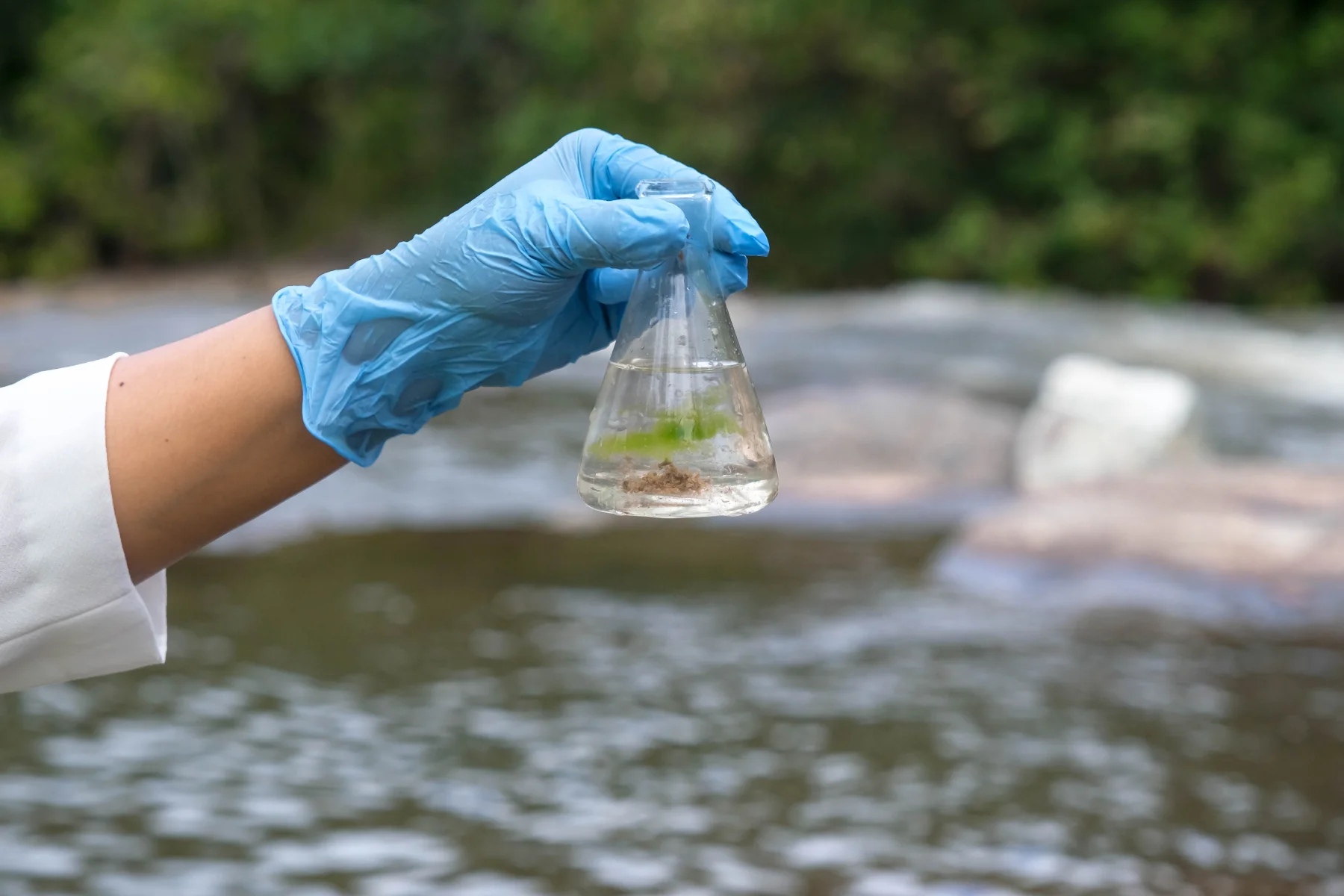

If you’ve heard people talk about PFAS contamination, you probably know it’s a growing concern across the country. PFAS stands for per- and polyfluoroalkyl substances, a group of man-made chemicals often called “forever chemicals” because they don’t easily break down. They’ve been used in things like nonstick cookware, packaging, and firefighting foam for decades, but now they’re showing up in soil and water supplies.
PFAS pollution happens when waste from factories, landfills, and industrial sites seeps into groundwater or rivers. Once there, these toxic PFAS compounds can move through drinking water systems, eventually reaching homes and businesses. Across Georgia, PFAS issues are getting more attention, especially as testing reveals just how persistent these chemicals are in the environment.
The Role of Local Businesses in Preventing PFAS Pollution
Georgia businesses have an important part to play in limiting PFAS contamination. Even small changes, like upgrading to commercial water filtration systems or performing regular water quality testing, can help reduce long-term impact. Companies in manufacturing, hospitality, and agriculture all contribute to the local water cycle, which means their actions matter for both public health and the environment.
For example, agricultural water filtration can help keep irrigation runoff free from pollutants, while restaurants and hotels that use restaurant water filtration can ensure their tap and ice water stay clean for guests. By staying proactive, Georgia businesses protect not just their operations but also the communities around them.
PFAS Filtration Options for Georgia Businesses
The good news is that PFAS filtration technology has come a long way. Specialized filtration systems, like carbon filters and reverse osmosis systems, can remove many of the harmful compounds linked to PFAS pollution. These solutions are especially valuable for commercial buildings, where water usage is high and quality control is crucial.
At Metro Water Filter of the South, we’ve worked with a wide range of Georgia businesses, from medical facilities that need precise healthcare water treatment to factories that rely on water filters for manufacturers, to create systems that meet both environmental and safety goals. Installing a professional system is one of the most reliable ways to protect your workplace from PFAS contamination and ensure every drop of water is as clean as possible.
The Importance of PFAS Cleanup and Waste Management
 While filtration is key, preventing contamination in the first place is just as important. Businesses can support PFAS cleanup efforts by properly disposing of chemicals, testing wastewater, and avoiding products that contain toxic PFAS. It’s also smart to stay informed about local regulations through resources like Georgia PFAS information, which provide updates on testing sites and safe disposal methods.
Every step toward reducing PFAS waste adds up. Whether that means switching to alternative materials or reviewing your company’s disposal plan, small adjustments can make a big difference. When businesses work together, the collective impact on PFAS in Georgia water systems can be significant.
Partnering with Georgia’s Filtration Experts
Tackling forever chemicals contamination doesn’t have to feel overwhelming. With help from a trusted Georgia water filtration expert, your business can take measurable steps toward safer water and a cleaner environment. Metro Water Filter of the South provides custom solutions tailored to your operation’s size, water source, and budget.
If your facility handles manufacturing, food service, or agriculture, a well-designed system is one of the best investments you can make for long-term peace of mind. Our team can help you identify the right PFAS filtration method, maintain your equipment, and stay compliant with state guidelines. To learn more or check for water filtration services, reach out to Metro Water Filter today.
PFAS contamination might be a big issue, but when Georgia businesses commit to cleaner practices, they become part of the solution. Together, we can reduce toxic PFAS contamination, protect local water supplies, and keep communities healthy for generations to come.