
Ultra Pure Water for Your Home or Office with RO Filters
Reverse osmosis is a distinctive process that cleanses water in an incredibly effective way.
Because of the filtration process, your home or business can enjoy the same quality of water the best name-brand bottled water providers offer, without the plastic waste from a single-use bottle.
It's ideal for exceptionally pure water to drink in your home or use in commercial applications such as a medical setting.
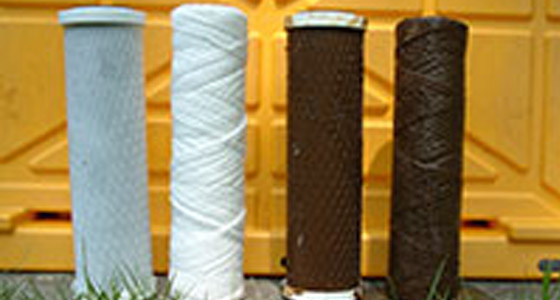
These filters (before and after) came out of a Reverse Osmosis system in an Atlanta home. This home is on city water.
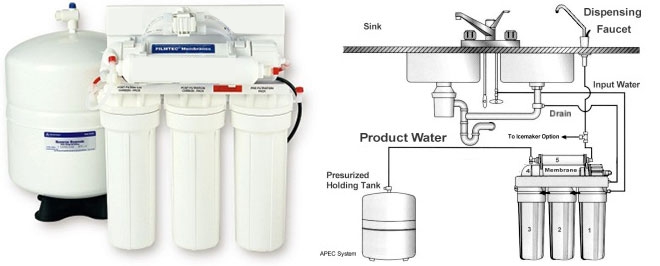
What Is A Reverse Osmosis Filter?
A reverse osmosis filter is a highly effective water purification system that uses a semi-permeable membrane to remove impurities, contaminants, and harmful substances, including up to 99% of dangerous contaminants like pharmaceuticals.
The result is ultrapure water with a clean flavor, ideal for drinking and cooking.
This matters locally: the Metro Atlanta area has recently found more than 80 pharmaceuticals in the water supply, and reverse osmosis is one of the few filtration methods effective enough to remove them.
Two of the largest American bottled water producers rely on reverse osmosis to filter every drop they sell. A reverse osmosis system brings that same taste to your home or business, so you can substitute bottled water and save hundreds of dollars a year while drinking ultra pure water straight from the tap.
How Does Reverse Osmosis Water Filter Work?
Reverse osmosis filtration works by pushing water through a semipermeable membrane that acts as a barrier to impurities.
As water is forced through, contaminants like chlorine, bacteria, and dissolved solids are filtered out, leaving you with pure, clean water throughout your home or business.
Exploring Other Water Filter Options?
Not every water concern is best handled by a reverse osmosis filtration system. Acid filtration helps correct low pH water, while sediment filters remove sand, dirt, and debris before they enter your home. Check out our customer reviews to see how other homeowners decide when to look beyond reverse osmosis filters for a more targeted solution.
Frequently Asked Questions
How does a reverse osmosis system work?
Water is forced through a semi-permeable membrane under pressure, the membrane blocks contaminants and dissolved solids while letting purified water pass through. What comes out the other side is water with up to 99% of contaminants removed.
What does a reverse osmosis filter remove from water?
A reverse osmosis filter removes up to 99% of dangerous contaminants, including pharmaceuticals, chlorine, bacteria, and dissolved solids, leaving you with ultrapure water for drinking and cooking.
Is reverse osmosis better than a whole house filter?
Reverse osmosis and whole house filtration solve different problems. RO systems are typically installed at a single point of use, like a kitchen tap, to deliver the highest level of purification for drinking and cooking water. A whole house filter treats water at the point it enters your property, improving water quality at every tap. Many homes and businesses use both together for complete coverage.
Do I need reverse osmosis if I already have a whole house filter?
It depends on your goals. A whole house filter improves water quality throughout your property, while a whole house reverse osmosis system adds an additional layer of purification, removing contaminants a standard filter may not catch, including pharmaceuticals. Pairing the two gives you the most complete water treatment available.