
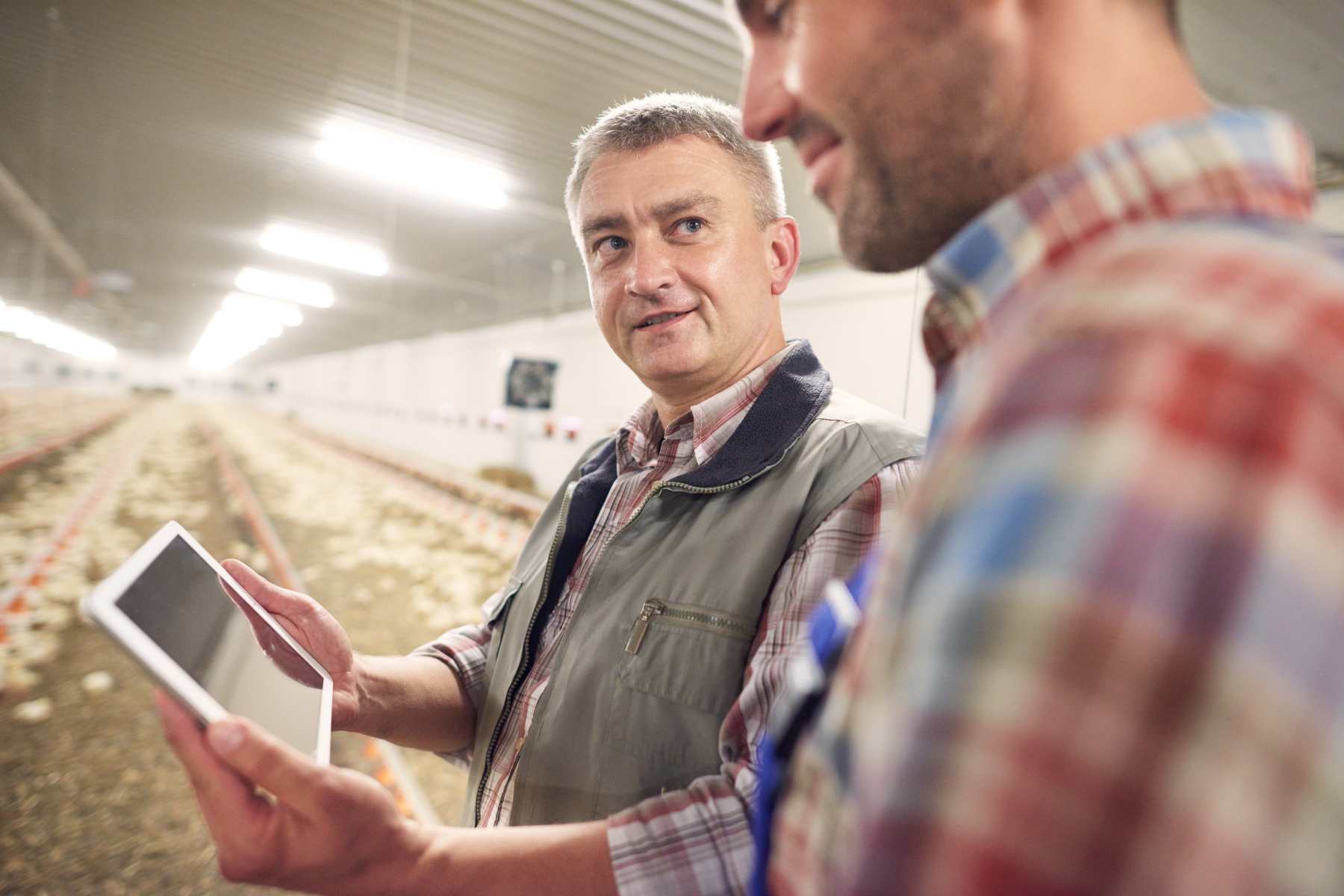

On a poultry farm, water touches everything. It runs through drinkers, supports feed intake, affects bird health, and plays a large role in preventing disease. When water quality slips, even slightly, the entire operation can feel the impact. That is why a reliable poultry farm water system matters so much. Clean, consistent water helps reduce disease risk and supports healthier flocks every day.
Why Water Quality Matters in Poultry Farms
Birds depend on water more than almost anything else. If the poultry farm water supply contains bacteria, sediment, or buildup, it can affect digestion, immunity, and growth rates. Many farms rely on a mix of surface water, wells, or a city water supply, and each source brings its own challenges.
In areas where water quality in Georgia can vary from county to county, small changes in mineral content or bacteria levels can show up quickly in bird health. A strong commercial water filtration system helps stabilize those variables so the flock is not constantly adjusting to changes in the water.
How Waterborne Issues Increase Disease Risk
Water that is not properly treated becomes a pathway for disease. Bacteria and biofilm can collect inside lines, drinkers, and tanks, especially when flow rates fluctuate. Over time, this buildup affects poultry farm water drinkers and creates an environment where illness spreads more easily.
When water quality drops, birds often drink less. That can lead to dehydration, uneven growth, and higher stress levels. These conditions make flocks more vulnerable to infection, which is why poultry farm water treatment is such an important part of biosecurity planning.
The Role of Commercial Water Filtration Systems in Poultry Operations
A well-designed commercial water filtration system removes sediment, bacteria, and unwanted minerals before water reaches the birds. Unlike basic filters, commercial water filtration systems are built to handle higher volumes and constant use without breaking down.
Many farms rely on commercial filtration systems to keep water lines cleaner and prevent biofilm buildup. This improves consistency across the entire water system in poultry farm operations. When water quality stays stable, birds drink more regularly and overall health improves.
For farms looking to strengthen their setup, commercial water filtration designed for agricultural use provides long-term protection without interrupting daily operations.
Supporting Poultry Health With the Right Filtration Setup
 Not all farms need the same configuration. Some rely on a dedicated water filter for poultry farm use, while others use a combination of filtration and purification. A commercial water filter system can be tailored based on flock size, water source, and layout.
In higher-risk environments, commercial water purification systems add another layer of protection by addressing microorganisms that standard filters may not catch. These systems support safer drinking water and help reduce the chance of disease moving through the flock.
When water quality is consistent, farms often notice better feed conversion and fewer health-related setbacks. This makes the investment in a poultry farm water filtration system both a health decision and a business one.
Meeting Water Requirements in Poultry Farms
Every flock has specific needs, and the water requirement for poultry farm operations goes beyond volume alone. Birds need water that is clean, palatable, and free from irritants. Poor water quality can discourage drinking, which directly affects growth and egg production.
A dependable commercial water system supports daily demand while maintaining quality at every drinker. Over time, this consistency helps reduce stress on birds and lowers the risk of disease outbreaks tied to contaminated water.
Installation and Ongoing Support Matter
Even the best system needs to be installed correctly. Commercial water filtration installation ensures the system fits the farm’s layout and handles peak usage without pressure loss. Proper installation also helps extend the life of filters and reduces maintenance interruptions.
Many farms benefit from working with teams experienced in agriculture-specific setups. Access to water filtration service for poultry makes it easier to maintain systems and adapt as the operation grows. When support is local, response times are faster and adjustments are easier to manage, especially when searching for water filtration near me.
How Metro Water Supports Poultry Farms Across Georgia
Metro Water works with farms across the region to build filtration systems that match real-world conditions. Their team understands how commercial drinking water filtration system performance impacts livestock health and daily operations.
By evaluating the full poultry farm water system, Metro Water helps farms identify where improvements can make the biggest difference. Whether the goal is disease prevention, better efficiency, or long-term reliability, working with Georgia water filtration experts brings confidence to the process.
Many farms begin by checking their baseline water quality. A simple free water quality testing visit can reveal issues that may not be obvious but still affect bird health.
Improving Your Poultry Farm Water System
Reducing disease risk starts with clean water. When filtration systems work properly, birds drink more consistently, lines stay cleaner, and biosecurity improves naturally. A strong water treatment for poultry farm setup protects the flock and supports smoother operations year round.
If you are ready to take the next step and improve your poultry farm water system, Metro Water can help design a solution that fits your operation. Their team understands agricultural demands and local water conditions, making it easier to move forward with confidence.
Clean water is not just a utility on a poultry farm. It is a foundation for healthier birds and a more resilient operation.
Frequently Asked Questions
Contaminated water can spread bacteria and disease quickly through a flock, and poor water quality has also been linked to reduced feed conversion and slower growth rates.
Biofilm forms when bacteria, minerals, and organic matter accumulate on the inside of water lines over time, creating a breeding ground for pathogens if left untreated.
Yes, cleaner water can support better hydration, feed conversion, and overall flock health, which often translates into measurable productivity gains for poultry operations.