


Carbon water filters are one of the most popular and widely used tools in home water filtration, and for good reason. They are effective, affordable, and do a solid job addressing some of the most common water quality complaints. But a carbon water filter is not a complete solution for every water problem, and understanding what it cannot do is just as important as knowing what it can. If you are relying on a carbon filter system as your only line of defense, here is what you need to know.
What Do Carbon Filters Do Well
Before getting into the limitations, it helps to understand where carbon water filtration genuinely excels. The activated carbon filtration process works through adsorption, meaning contaminants bond to the surface of the carbon material as water passes through. This makes carbon filtered water noticeably better in a few key areas:
- Chlorine and chloramines
- Volatile organic compounds (VOCs)
- Bad taste and odor
- Some pesticides and herbicides
- Certain industrial chemicals
If your main concern is chlorine in water or the taste and smell of your tap water, a carbon water filter will likely deliver real results. For many households on municipal water supplies, this covers the biggest everyday concerns.
What Do Carbon Filters Not Remove
This is where homeowners need to pay close attention. A carbon filter water system has clear boundaries, and there are several categories of contaminants it simply does not address effectively.
Does a Carbon Filter remove Bacteria?
No. Carbon water filtration does not kill or remove bacteria, viruses, or other microorganisms. If your water has a biological contamination concern, particularly common with well water, a carbon filter alone is not enough. You will need a UV filter or another disinfection method alongside it.
Does a Carbon Filter remove Heavy Metals?
Standard carbon water filters are not designed to remove heavy metals like lead, arsenic, or mercury at meaningful levels. Some specialized carbon block filters can reduce certain metals to a degree, but if heavy metal contamination is a documented concern in your water, a carbon filter system on its own is not the right solution. This is one of the most important things to understand when investing in carbon filters for your home.
Does a Carbon Filter remove Fluoride?
Carbon filtration does not remove fluoride from drinking water. If fluoride reduction is a priority for your household, you will need a different or additional filtration method. Our post on fluoride in water covers this topic in more detail.
Do Carbon Filters remove Dissolved Solids and Minerals?
Hard water minerals like calcium and magnesium pass right through a carbon water filter. If you are dealing with hard water, scale buildup, or mineral-related issues with your plumbing and appliances, carbon filtration will not solve that problem.
Does Carbon Filter remove Nitrates and Nitrites?
Nitrates, which are a common concern in agricultural areas and for homes on well water, are not removed by carbon water filtration. This is a significant limitation for rural homeowners across Georgia and the Southeast.
Do Carbon Filters remove PFAS?
The answer here is complicated. Some pfas in water can be reduced by certain high-quality activated carbon filters, but standard carbon filtration is not a reliable solution for PFAS removal across the board. If PFAS is a specific concern, you need a system designed and tested to address it.
What Does Carbon Water Filter Not Remove: A Quick Summary
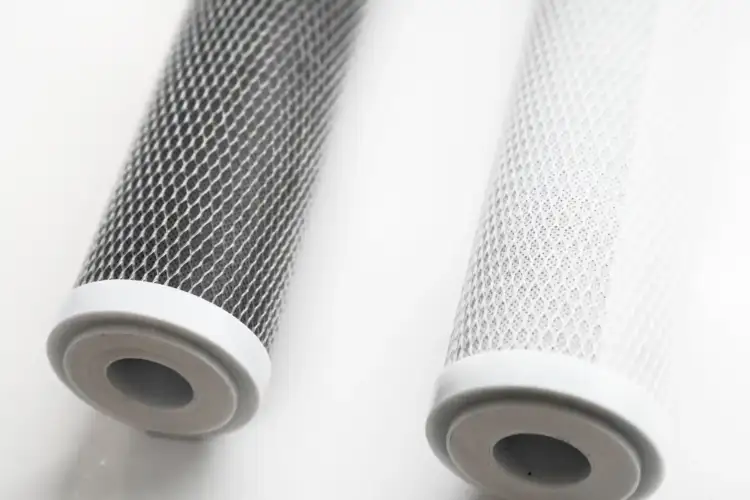 To put it plainly, carbon filtered water is cleaner in some important ways, but a carbon filter system is not a whole-house answer to every water quality issue. It does not address:
- Bacteria and viruses
- Heavy metals
- Fluoride
- Hard water minerals
- Nitrates and nitrites
- Most PFAS compounds
When You Need More Than Carbon Water Filtration
For many homes, the right answer is a multi-stage filtration approach that pairs a carbon water filter with other systems based on what your specific water contains. A reverse osmosis vs. carbon filter comparison is a useful starting point if you are trying to decide what level of filtration your home actually needs. Reverse osmosis systems, for example, address a much broader range of contaminants including heavy metals, nitrates, fluoride, and dissolved solids. Combined with carbon filtration, you get significantly more complete coverage.
The key is knowing what is actually in your water before deciding on a solution. Water quality varies widely from neighborhood to neighborhood and well to well. A professional water test takes the guesswork out of the equation entirely.
Talk to a Water Carbon Filter Expert Before You Decide
At Metro Water Filter of the South, we have been helping homeowners across Georgia and the Southeast understand their water and find the right filtration solution since 1972. Our carbon filter system options are part of a broader range of whole-home and point-of-use solutions we customize to your actual water test results. As experienced water specialists, we never recommend more than you need, and we never leave you guessing about what is in your water. Contact carbon filter water experts at Metro Water Filter of the South today or call us to schedule your free in-home water test and consultation.
Frequently Asked Questions:
If carbon filters don’t remove bacteria, is my water unsafe?
Not necessarily — most municipal water is already disinfected before it reaches your tap. Carbon filtration is about improving taste and reducing chemicals, not disinfection.
Can I add a second filter to cover what carbon misses?
Yes. Many households pair carbon filtration with reverse osmosis or UV disinfection to cover heavy metals, fluoride, and microorganisms that carbon alone doesn’t address.
Does upgrading to activated carbon fix these limitations?
Activated carbon improves performance for VOCs and some PFAS, but it still won’t remove bacteria, heavy metals, fluoride, or hard water minerals.