
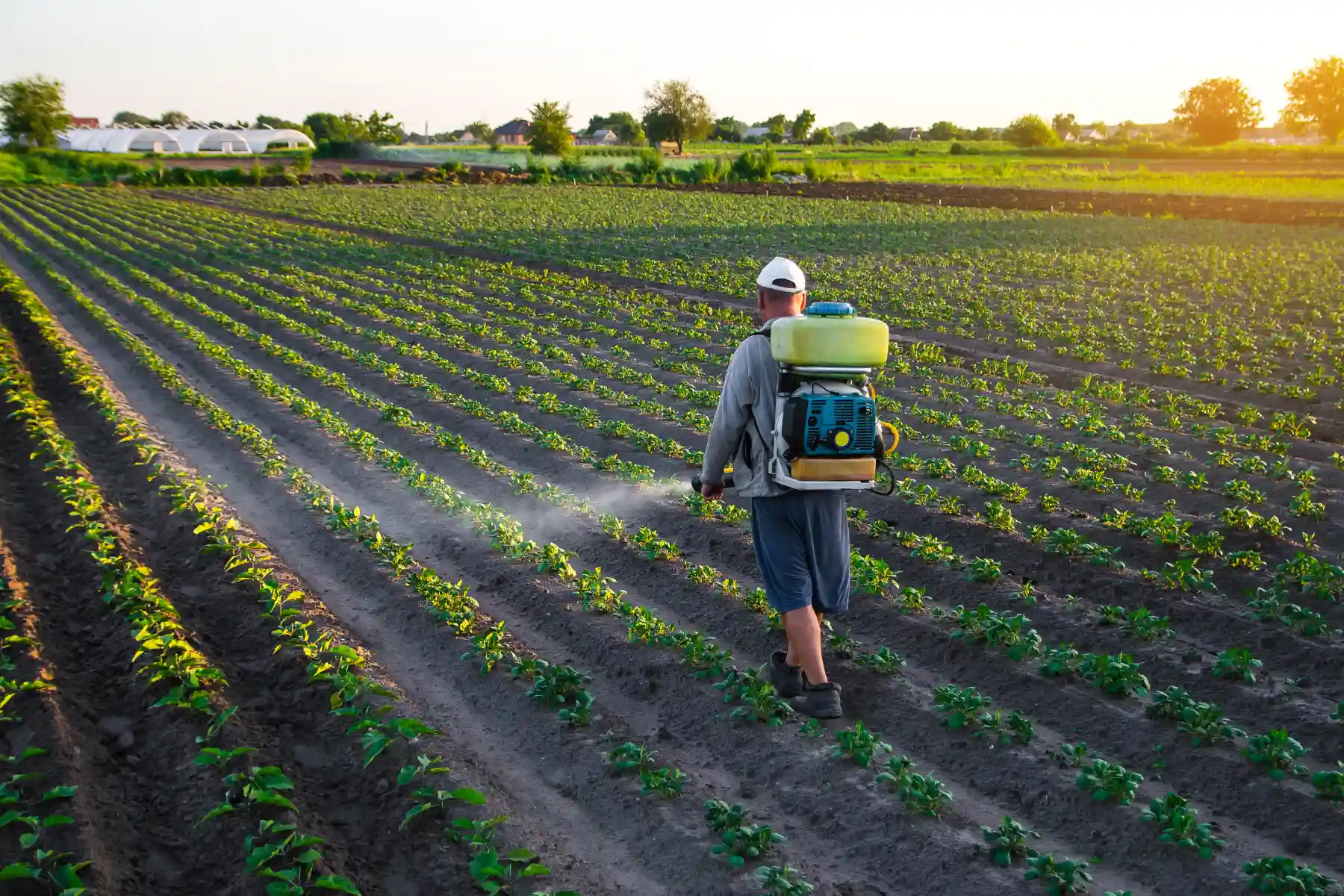

If you keep up with news about pfas contamination, you have probably seen the latest headlines. The EPA approves pfas pesticide use on crops across the country, even as scientists continue to raise concerns about toxicity. For Georgia families already asking questions about pfas in drinking water, this news adds another layer to an already complicated picture. Understanding what these pesticides are, why regulators approved them, and what it means for the water coming out of your tap is the first step toward protecting your health.
What Are PFAS Pesticides?
Pfas pesticides are weed and pest control products built around fluorinated compounds, the same chemical family behind non-stick cookware and stain resistant fabrics. Like other pfas chemicals, they are prized in agriculture because they hold up under heat, sun, and repeated rainfall without breaking down. That same durability is exactly why pfas pesticides raise concern. Once sprayed on crops or soil, they resist natural breakdown and can persist in the environment for years, eventually making their way into groundwater and surface water supplies.
A pfas pesticide epa approval does not mean the chemical is new. Many of these compounds have been used in agriculture for years under older classifications. What has changed is how closely regulators are willing to look at them, and how quickly new versions are being cleared for use on the crops that end up in grocery stores across the country. That distinction matters, because a pesticide pfas approval today can shape what shows up in produce, irrigation water, and household taps for decades to come.
The EPA Approves More PFAS Pesticides
In July 2026, the EPA quietly approved three new pfas pesticides for use as weed killers on American crops, bringing the total number of epa approved pfas pesticide products to five since the start of the second Trump administration. The epa pfas pesticide approvals came on the heels of a change to how the agency defines pfas chemicals in the first place. In late 2025, the EPA narrowed its definition so that certain single carbon fluorine compounds no longer count as pfas at all, a shift that critics say opened the door to more pesticide pfas approvals under looser scrutiny.
Environmental groups have pushed back hard on the epa pesticide pfas decision, pointing out that nearly 40 percent of nonorganic produce grown in California, a state that supplies a large share of the fruits and vegetables eaten nationwide, already tests positive for pfas pesticide residue. You can read more about the reasoning behind these EPA pfas regulatory changes, and see the full reporting in this recent coverage of the EPA new pfas toxicity definition change.
PFAS Toxicity: What the Science Actually Says
The epa pfas regulations may be loosening, but the underlying science on pfas toxicity has not changed. Research continues to link pfas exposure, even at very low levels, to a range of health concerns including certain cancers, liver damage, and immune system effects. Redefining which compounds count as pfas does not make the chemicals themselves any less persistent or any easier for the body to process. It simply changes which products get flagged for regulatory attention, which is exactly why so many scientists and advocacy groups have objected to the recent changes.
For everyday families, this means the responsibility for managing pfas toxicity risk is shifting further onto individual households. Fewer products get flagged before they reach the market, and the compliance timelines that remain in place stretch years into the future. Waiting on federal action is no longer a reliable strategy for anyone who wants to know what pfas chemicals, pesticide-derived or otherwise, are actually present in their water today.
PFAS Pesticides and Georgia Agriculture
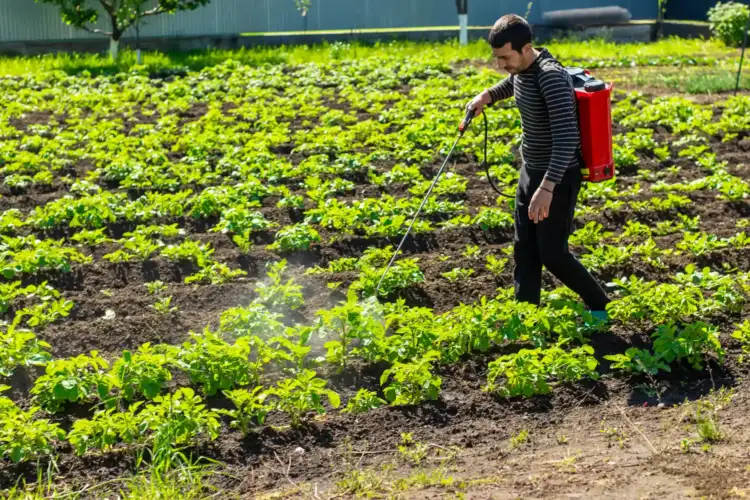
Georgia’s farms are not exempt from this issue. Pesticide runoff can carry pfas chemicals into irrigation water, ponds, and nearby wells, especially on properties that rely on filtration in agriculture to manage water quality across large operations. Farm owners who have not yet looked into water filtration in farms may want to reconsider, since pesticide pfas contamination can affect both crop irrigation and the water used by workers and livestock on site.
Removing PFAS Pesticide Residue from Your Water
The good news is that pfas removal from water is achievable with the right equipment. A RO system removes pfas compounds effectively because its membrane is fine enough to block most pfas molecules from passing through, including many of the newer pesticide-derived variants. High quality carbon filtration is another proven option. If you are unsure which setup fits your situation, our guide to water filters that remove PFAS in water breaks down the certified systems worth considering for pfas water filtration systems at home or at scale.
Protecting Homes and Businesses Alike
Pesticide pfas contamination does not stop at the farm gate. It can travel through shared water systems and reach homes, restaurants, and other businesses downstream. A properly sized residential filtration system protects a household at every tap, while a commercial filtration setup gives larger operations the capacity to treat higher water volumes without sacrificing performance. Either way, the goal is the same: keep pfas pesticide residue out of the water people drink and cook with every day.
The two situations are not as different as they might seem. A restaurant relying on well water and a household on the same rural line are often drawing from the same source, which means pesticide pfas exposure at one property is a real signal for the other. Testing early, rather than waiting until a problem is confirmed elsewhere in the community, is one of the simplest ways to stay ahead of it.
Talk to a Trusted Water Filtration Expert in Georgia
Metro Water Filter of the South has served homes and businesses across Georgia and the Southeast since 1972, and questions about pfas pesticide exposure are becoming more common every year. Whether you run a farm, own a restaurant, or just want peace of mind about pfas contamination in business operations near you, our team can test your water and recommend a system built for what it actually contains. Ready to find out what is in your water? Contact an expert water filtration installer today and get answers instead of guesswork.