

Once a homeowner decides reverse osmosis is the right filtration method for their water, the next question is almost always the same. Should it be a countertop reverse osmosis unit sitting out on the kitchen counter, or an under sink reverse osmosis filter installed out of sight below? Both use the same core technology, but the right choice depends less on the filtration itself and more on your kitchen, your rental situation, and how much water your household actually uses.
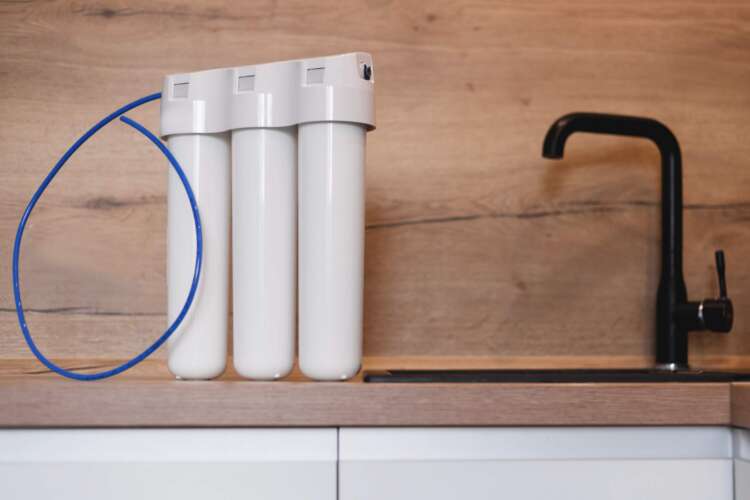
Countertop Reverse Osmosis: How It Works
A countertop RO filter sits on the counter and connects directly to your faucet, usually with a diverter valve or a simple adapter. There is no drilling, no under-sink plumbing work, and no permanent modification to your kitchen. Water runs from the faucet into the unit, gets filtered through the reverse osmosis membrane, and comes out through a separate spout on the unit itself. This makes countertop RO a popular option for renters or anyone who wants filtered water without committing to a permanent installation.
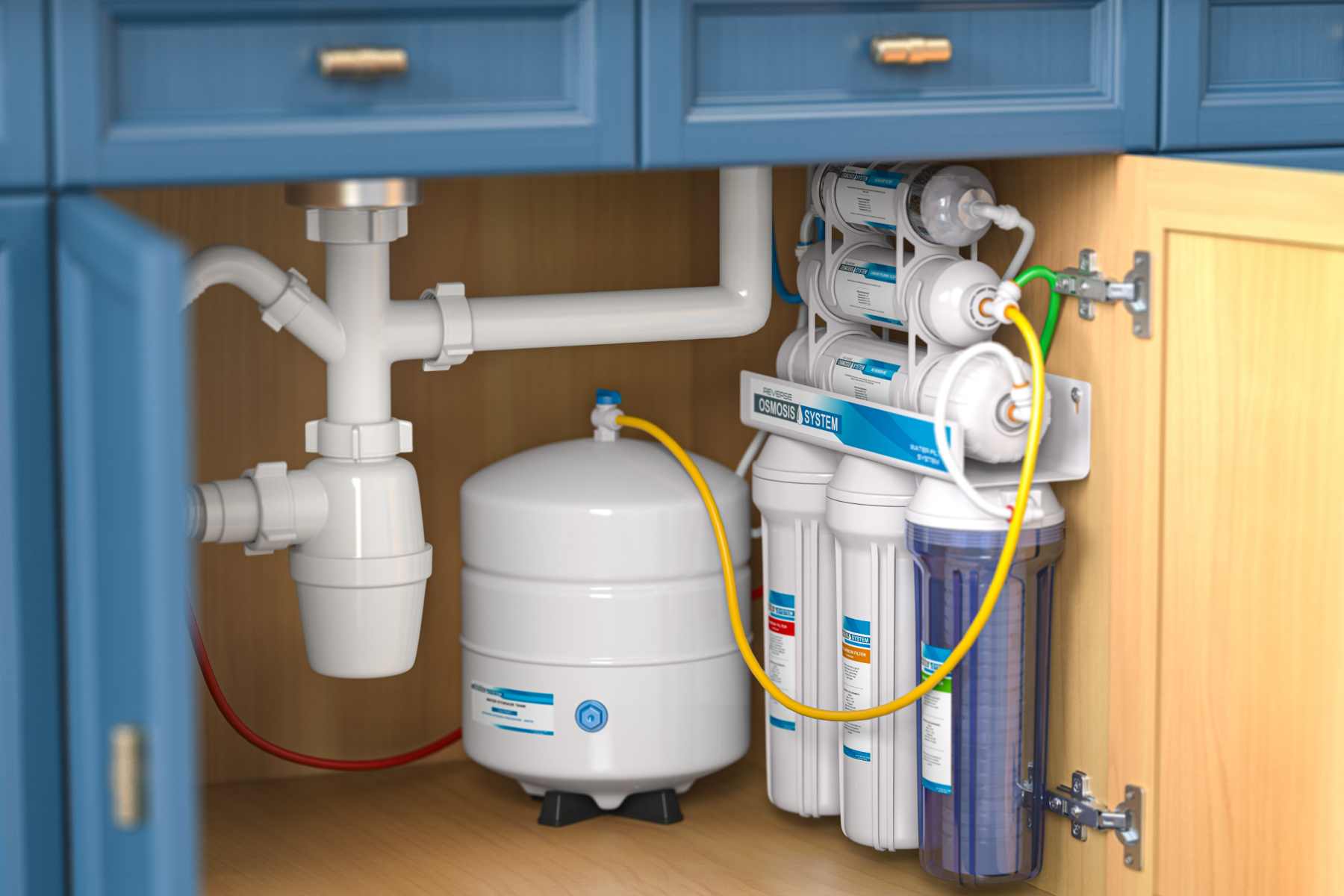
Under Sink Reverse Osmosis: How It Works
An under-sink RO filter installs beneath the kitchen sink and typically ties into the cold water line, with a dedicated faucet installed on the countertop above. Everything except that small faucet stays hidden below, which keeps counter space clear and gives the kitchen a cleaner look. This setup is more involved to install than a countertop unit, and it is where most filter system installation mistakes tend to happen when homeowners attempt it without experience, so professional installation is worth considering even for a handy homeowner.
Space and Installation Considerations
Countertop units need a few square feet of counter space and can typically be set up in minutes without tools. Under-sink systems need cabinet space below the sink for the filtration tank and lines, along with a hole drilled into the counter or sink deck for the dedicated faucet, which is usually not something you want to do in a rental. If preserving counter space matters more to you than avoiding drilling, an under-sink system is generally the better fit. If flexibility and a simple setup matter more, countertop wins.
Filtration Performance: Is One Better Than the Other?
 The filtration performance between the two is largely similar, since both rely on the same reverse osmosis membrane technology. A quality system, whether countertop or under-sink, should reduce the same range of contaminants.
If you want the full picture of what reverse osmosis addresses, our posts on RO filter system benefits and whether RO removes bacteria go into more depth.
We also cover whether reverse osmosis removes PFAS in a separate post.
The bigger performance difference between countertop and under sink units usually comes down to flow rate and storage capacity rather than filtration quality itself, with under sink systems generally built to handle higher household water demand.
TDS in Water and Filtration Capacity
If your household deals with consistently high TDS in water, capacity matters more than it might for a household with moderate mineral content. Under-sink systems tend to include a larger storage tank, which makes them better suited to households running higher volumes of water through the system regularly. A countertop unit can still perform well against high TDS, but its smaller reservoir means it may need to run more frequently to keep up.
Comparing Reverse Osmosis Cost
Reverse osmosis cost is one of the more practical differences between the two options. Countertop units are generally less expensive upfront and do not require installation labor, which makes them an accessible entry point into reverse osmosis filtration. Under-sink systems typically cost more once installation is factored in, but they are also built for long-term, whole-kitchen use rather than a temporary or portable setup.
Which RO Filter Is Right for You?
If you rent your home, move frequently, or simply want a low-commitment way to try reverse osmosis, a countertop unit is the more practical starting point. If you own your home, want a permanent solution with a cleaner kitchen setup, and use enough water to benefit from a larger tank, an under-sink system is usually the better long-term investment. Either option can be part of a broader residential RO system, and the right size and configuration ultimately depends on your household’s water usage and your kitchen’s layout.
Talk to an Under Sink RO Filter Expert in Georgia
Choosing between countertop and under sink reverse osmosis is easier with the right guidance. Our under sink RO filter experts have helped homeowners across Georgia and the Southeast find the right system since 1972.
Browse our full line of reverse osmosis filters, or contact a water filtration specialist to talk through which option makes the most sense for your kitchen and your water.