
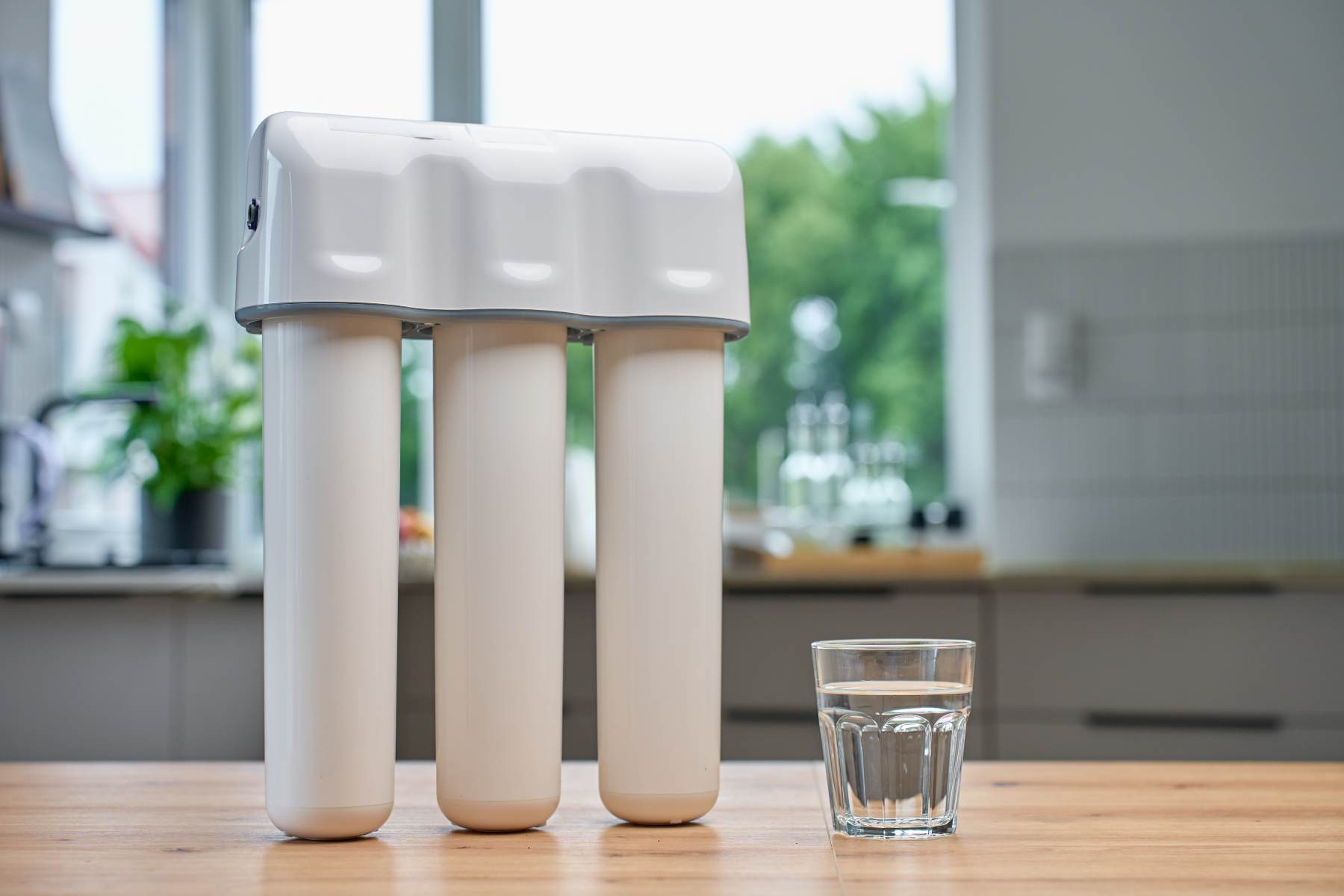

When comparing a reverse osmosis vs carbon filter, most homeowners and business owners are not just looking for cleaner water. They are looking for confidence. Confidence that their water is safe. Confidence that they are making a wise investment. Confidence that the system they choose will deliver lasting value.
Both a carbon water filter system and a reverse osmosis water filtration system can dramatically improve your water quality. The difference lies in what they remove, how deeply they filter, and how they perform over time.
At Metro Water Filter of the South, we guide customers through this decision every day. The right filtration system should serve your family or business reliably for years, not create new problems down the road.
Reverse Osmosis Filter vs Carbon Filter: Understanding the Core Difference
What Is a Carbon Filter?
A carbon filter works through a process called adsorption. Contaminants such as chlorine and certain chemicals bind to activated carbon as water flows through the system.
Carbon filtration is especially effective for:
- Removing chlorine taste and odor
- Reducing volatile organic compounds (VOCs)
- Improving overall water clarity
- Enhancing drinking water flavor
There are multiple types of carbon filters, including whole-house systems and point-of-use options. If you want a deeper explanation of the different media types, you can learn more about the standard carbon filter comparison.
For homeowners looking to improve municipal water quality, professional carbon filter installation can provide immediate and noticeable results.
What Is a Reverse Osmosis Filter?
A reverse osmosis filter system uses a semi-permeable membrane to remove dissolved solids and microscopic contaminants from water. Unlike basic carbon filtration, reverse osmosis filtration addresses contaminants that are invisible to the eye.
Reverse osmosis water systems are designed to remove:
- Heavy metals like lead and arsenic
- Fluoride
- Nitrates
- High total dissolved solids (TDS)
- Certain bacteria and viruses
Most reverse osmosis filters include multiple filtration stages, combining sediment and carbon pre-filters with the RO membrane for maximum effectiveness.
If you would like a full explanation of how this technology works, review our detailed reverse osmosis guide or explore professional reverse osmosis installation services.
Carbon Filter vs Reverse Osmosis: Performance Comparison
Contaminant Removal Power
When evaluating reverse osmosis water filter vs carbon filter systems, removal capability is the most significant difference.
A carbon water filter system excels at improving taste and odor by targeting chlorine and certain chemicals. However, it does not remove dissolved solids.
A reverse osmosis water filtration system provides a deeper level of purification by filtering out dissolved contaminants at the molecular level. For households using well water or facing elevated TDS levels, RO filters often deliver stronger long-term protection.
Water Taste and Clarity
Both systems improve taste, but in different ways.
Carbon filtration removes chlorine, which immediately enhances flavor and smell. Reverse osmosis water filters not only remove chlorine (with pre-filters) but also eliminate dissolved solids that can affect taste and leave residue.
For families prioritizing health and purity, reverse osmosis water systems often provide greater peace of mind.
Long-Term Cost: RO Filter System vs Carbon Filtration System
 Upfront Investment
 Upfront Investment
A carbon filtration system generally requires a lower upfront investment. Reverse osmosis systems involve more components and therefore a higher initial cost.
If budget planning is part of your decision, you can review the cost of RO filter system to better understand installation and maintenance expectations.
Maintenance and Replacement
Carbon filters typically require more frequent replacement depending on water usage and chlorine levels.
RO filter systems require periodic pre-filter changes and occasional membrane replacement, but the lifespan of components can extend several years with proper care.
For insight into how filtration supports long-term savings, explore our resource on cost saving water filtration.
Which System Saves More Over 5–10 Years?
Long-term value depends on your water conditions.
If chlorine is your only concern, a carbon water filter may provide excellent value. However, if dissolved solids or heavy metals are present, a reverse osmosis water system may prevent future plumbing damage, bottled water expenses, and potential health concerns.
If you are still weighing ownership versus other options, our guide on buying water filters can help you determine the smartest long-term approach.
Choosing the Right Water Filter for Your Home or Business
When a Carbon Water Filter System Makes Sense
Carbon filtration is often ideal when:
- You use municipal water
- Chlorine taste and odor are your primary concerns
- You want a cost-effective whole-house solution
If you are considering this upgrade, learn more about investing in carbon water filter systems to determine if it fits your needs.
When a Reverse Osmosis Water System Is the Better Choice
Reverse osmosis filtration is frequently recommended for:
- Well water users
- High TDS readings
- Families concerned about heavy metals
- Businesses requiring purified drinking water
Discover the complete benefits of RO water system solutions for residential applications.
Residential and Commercial Applications
Water needs vary between homes and businesses. A customized residential water filtration system differs from a high-capacity commercial water filter solution designed for restaurants, offices, and industrial facilities.
At Metro Water Filter of the South, we assess your water chemistry, usage demands, and long-term goals to recommend a system that truly fits.
Why Professional Installation Matters
Whether you choose carbon filters or reverse osmosis filters, professional system sizing and installation are critical for long-term performance.
Working with an experienced water filter company ensures:
- Accurate water testing
- Proper system configuration
- Reliable performance
- Ongoing filtration customer service
If you are ready to make an informed decision, you can contact water filtration experts for personalized guidance tailored to your water quality.
Final Verdict: Reverse Osmosis vs Carbon Filter. Which Delivers Greater Long-Term Value?
When comparing reverse osmosis vs carbon filter systems, the better option is the one designed specifically for your water.
Carbon filters offer affordable, effective improvement for chlorine and taste issues. Reverse osmosis water filters deliver comprehensive purification and stronger protection against dissolved contaminants.
The true long-term value comes from choosing the right system from the start.
At Metro Water Filter of the South, we believe clean water should never be a guessing game. With the right guidance, you can invest confidently in a solution that protects your home, your business, and the people who rely on you every day.