

If you are trying to decide between reverse osmosis and distilled water for your home, you are asking the right question. Both produce very clean water, and both remove a wide range of contaminants. But they work differently, they cost differently, and for most households, one is a far more practical choice than the other. Here is a straightforward comparison to help you decide.
How Reverse Osmosis Filtration Works
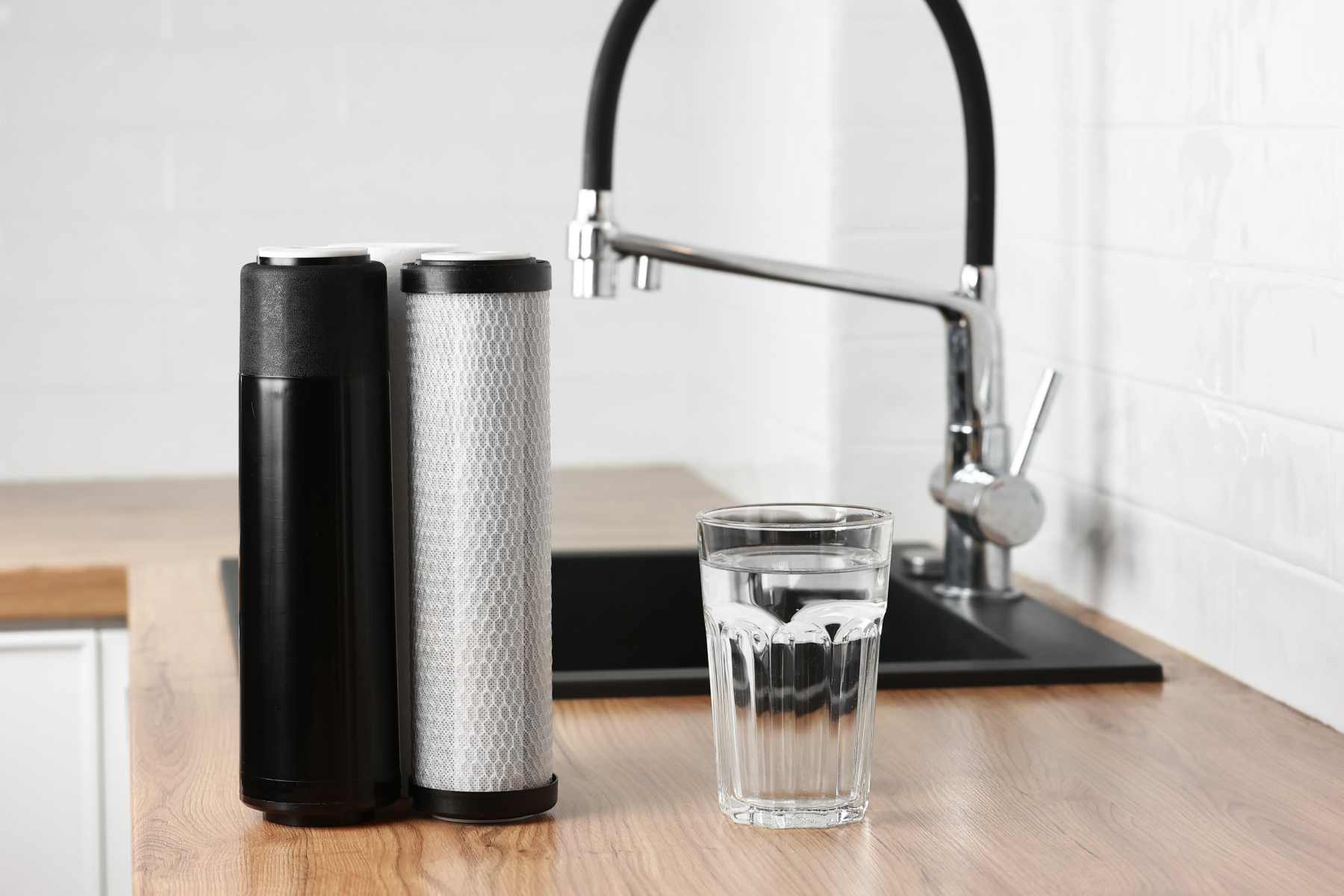
Reverse osmosis filtration pushes water through a semipermeable membrane under pressure, stripping out dissolved solids, contaminants, and impurities at a microscopic level. A standard reverse osmosis filters setup also includes pre and post filtration stages, typically sediment and carbon filters, that work alongside the membrane to address a broad spectrum of contaminants. The result is reverse osmosis water that is clean, great tasting, and produced on demand right at your tap. RO systems remove contaminants including heavy metals, dissolved solids, fluoride, pfas in drinking water, bacteria in water, and much more.
How Water Distillation Works
Water distillation works through an entirely different process. Water is heated to boiling, the steam is collected, and that steam is then condensed back into liquid form. Because most contaminants do not evaporate with the water, they are left behind. Distilled water is extremely pure as a result. It is the same basic process used in laboratory and medical settings where highly controlled water purity is required. The challenge is that distillation is slow, energy intensive, and not particularly practical for everyday household drinking water needs.
Reverse Osmosis vs. Distilled Water: How They Compare
Both reverse osmosis water and distilled water achieve a high level of purity, but there are meaningful differences worth understanding.
Contaminant Removal Both methods remove a wide range of contaminants effectively. Distillation has a slight edge on certain volatile organic compounds that can evaporate alongside water during the distillation process, though quality RO systems with carbon filtration address VOCs as well. For high TDS water with heavy dissolved solid loads, both perform well.
Taste Reverse osmosis water consistently scores well on taste because the multi-stage filtration process removes chlorine and other compounds that affect flavor while preserving a natural mouthfeel. Distilled water has a flat, empty taste that many people find unappealing for daily drinking. This is because distillation removes virtually everything, including the trace minerals that give water its natural character.
Practicality and Cost This is where the comparison becomes clear for most homeowners. A residential reverse osmosis system connects directly to your plumbing and delivers filtered water on demand. You turn on the tap and it is there. Distillation requires a countertop or standalone unit that processes water slowly, consumes significant electricity, and produces water in small batches. The reverse osmosis system cost for a whole home or under-sink system is a one-time investment that pays for itself over time, while distillation carries ongoing energy costs that add up. The benefits of home ro filter system extend well beyond drinking water to cooking, ice making, and more.
Minerals Neither reverse osmosis water nor distilled water retains significant mineral content. Both produce low-mineral water that is safe to drink. If mineral content is a specific concern, remineralization filters can be added to an RO system as a final stage.
Which Is Better for Drinking Water at Home?
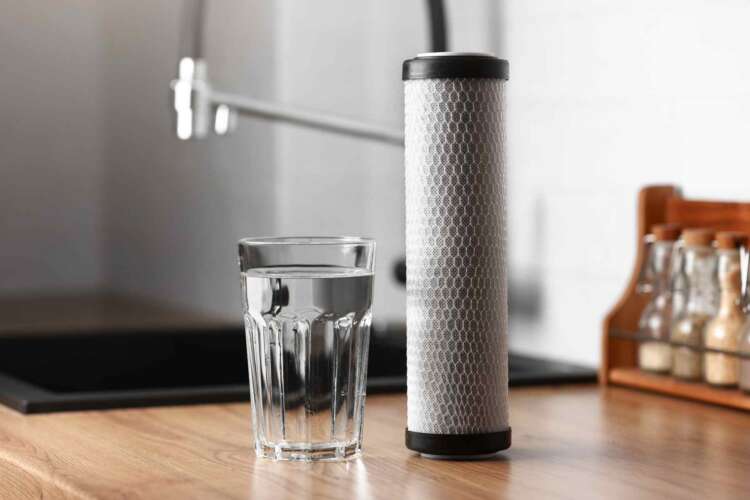 For everyday residential drinking water, reverse osmosis is the more practical, cost-effective, and convenient choice. Distilled vs. reverse osmosis water comes down to application. Distillation makes sense in laboratory, medical, and industrial settings where its specific properties are required. For a family that wants clean, great tasting filtered water at the tap every day, a residential RO system delivers everything distillation does without the inconvenience and energy cost. Proper ro installation by a qualified technician ensures your system performs the way it should from day one.
When Reverse Osmosis Filtration Makes the Most Sense
RO filtration is particularly well suited for homes dealing with specific water quality challenges. If your water has high TDS, known contamination issues, or you simply want the highest level of drinking water purity available in a practical whole-home or point-of-use format, reverse osmosis filtration is hard to beat. It is also the right call for households where water quality concerns go beyond taste and odor into legitimate health and safety territory.
Talk to Water Treatment Specialists Who Know RO
Metro Water Filter of the South has been installing and servicing reverse osmosis systems across Georgia and the Southeast since 1972. Our water treatment specialists will test your water, walk you through your options, and make sure you get a system that is right for your home and your water. Find your nearby water purification company or get water filtration services scheduled today. Clean, great tasting water at every tap starts with a free consultation and a water test from a team with over 50 years of experience serving the Southeast.
Frequently Asked Questions
Both remove a very high percentage of dissolved contaminants, though distillation can be slightly more thorough for certain minerals since it relies on evaporation rather than filtration.
Not usually. Distillation is a slow, energy-intensive batch process, while RO systems provide continuous, on-demand filtered water, making RO far more practical for daily household use.
Most people find RO water tastes similar to distilled water since both remove nearly all dissolved minerals, though some prefer RO water remineralized slightly for a fuller taste.