
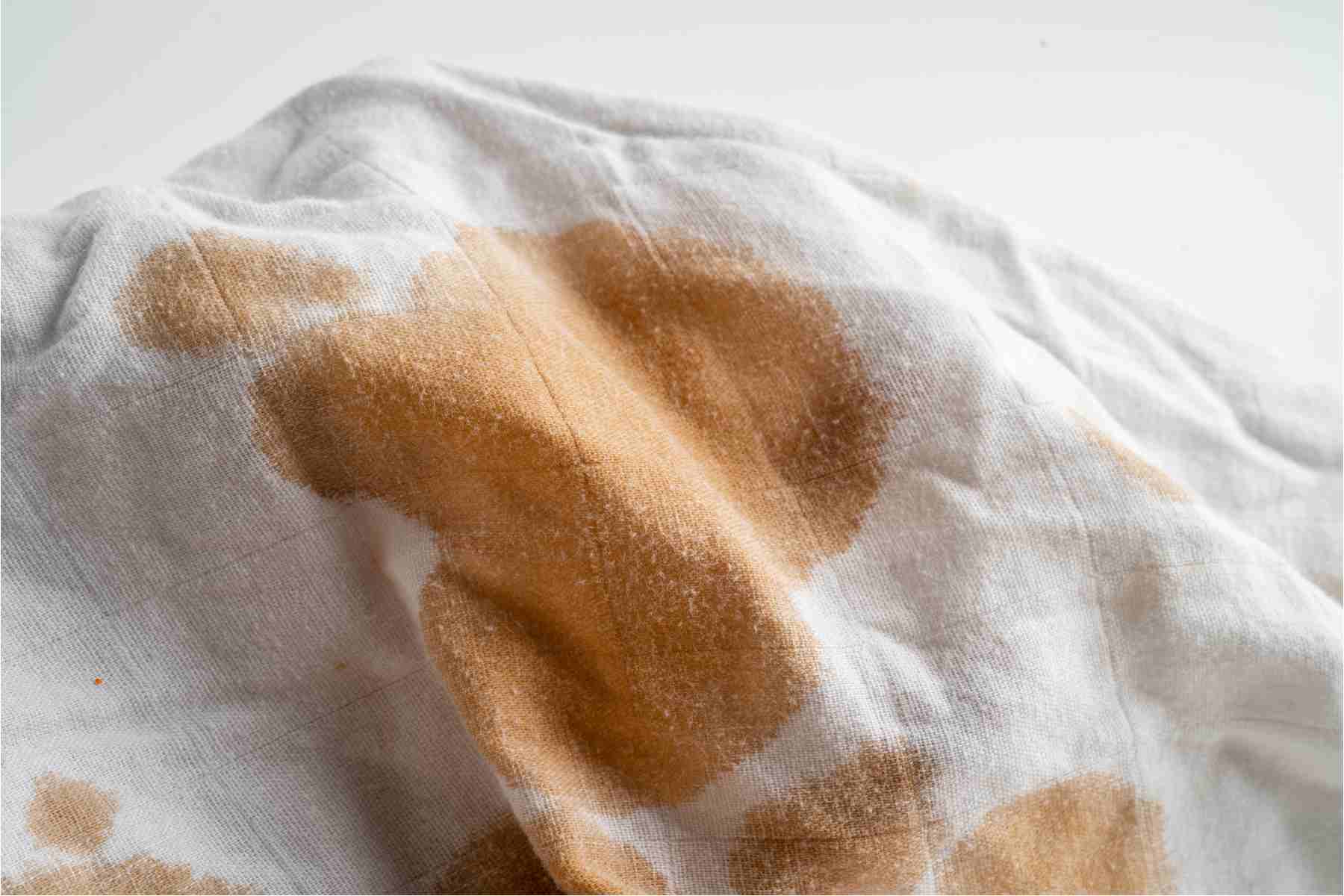

You pull a load of laundry out of the wash and instead of clean clothes, you find orange or reddish-brown stains on fabrics that went in perfectly fine. It is one of the most frustrating and common complaints among well water homeowners in Georgia, and the culprit is almost always iron in the water. The good news is that iron water testing and the right iron water filter can solve the problem completely. Here is what you need to know.
What Is Iron Doing in Your Water
Iron is one of the most naturally occurring minerals in Georgia’s groundwater. It dissolves into well water as it moves through iron-bearing rock and soil, and it shows up in municipal supplies as well through aging pipes and infrastructure. There are two primary forms of iron that affect home water quality. Ferrous iron, sometimes called clear water iron, is dissolved and invisible in the water when it comes out of the tap. When it is exposed to air or heat, such as in your washing machine, it oxidizes and turns into ferric iron, which is the reddish-brown rust you see staining your clothes, fixtures, and surfaces. Georgia well water problems frequently center on iron, and it is one of the first things a professional water test will identify.
The Damage Iron Does Beyond Your Laundry
Rust stains on laundry are the most visible sign of an iron problem, but they are far from the only one. High iron levels in your water affect your home in several ways:
- Orange or brown staining on sinks, toilets, tubs, and shower surfaces
- Metallic taste in your drinking water and in food cooked with tap water
- Scale and buildup inside pipes, water heaters, and appliances
- Shortened lifespan of washing machines and dishwashers
- Reddish discoloration in ice cubes and beverages
In addition to dissolved iron, some well water contains iron bacteria, which are microorganisms that feed on iron and produce a slimy buildup inside pipes and fixtures. Iron bacteria create their own set of problems and require a different treatment approach alongside iron water filtration.
Why Iron Water Testing Comes First
Before investing in any iron water filter, you need to know exactly what you are dealing with. The type of iron in your water, the concentration level, and whether iron bacteria are present all affect which filtration solution is the right fit. Iron water testing takes the guesswork out of the equation entirely. Professional residential water testing measures your iron levels against EPA standards for water quality, identifies which form of iron is present, and checks for companion issues like manganese, hardness, and pH that often come alongside elevated iron. You can learn more about what the process involves in our post on free water treatment testing. Skipping the test and guessing at a solution is how homeowners end up with a filter that does not fully address their problem.
What Iron Water Filters Actually Do
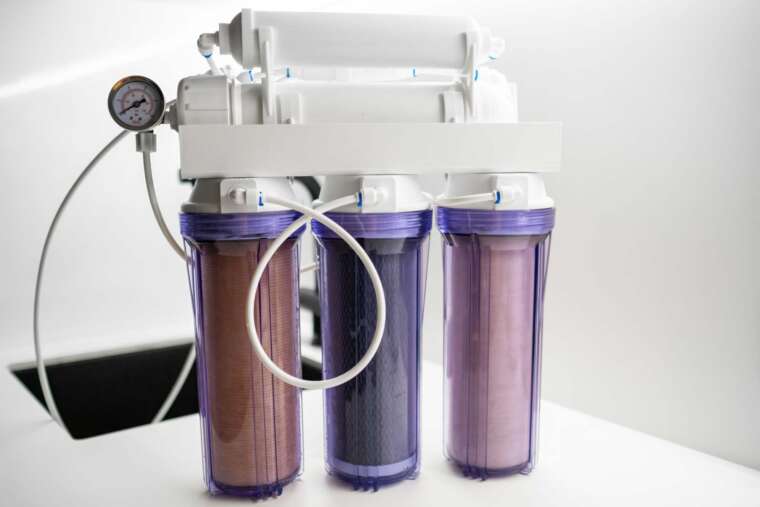
An iron water filter works by oxidizing dissolved ferrous iron and filtering out the resulting particles before they reach your taps, appliances, and laundry. Different filter types use different oxidation methods, and the right choice depends on your iron levels, water pH, and whether other contaminants are present. A filox filter is one of the most effective options for high iron and manganese levels, using a natural filtration media to oxidize and trap iron without the need for added chemicals. For a detailed comparison of iron filtration options, our post on iron well water filters covers the differences in depth.
Whole House Iron Filtration vs. Point of Use
When iron is causing laundry stains and fixture discoloration throughout the home, a point-of-use filter at a single tap is not going to solve the problem. Whole-house iron filtration treats the water at the point it enters your home, so every tap, every appliance, and every load of laundry benefits from filtered water. This is the only approach that addresses the full scope of what iron does to a home when it goes untreated. A whole house solution protects your plumbing, extends appliance life, eliminates staining throughout the home, and improves the taste and quality of your drinking water all at once.
Georgia Residential Water Testing: City Water Is Not Immune
Iron problems are most commonly associated with well water, but homeowners on municipal supplies are not automatically in the clear. Older water infrastructure and aging pipes can introduce iron into city water between the treatment plant and your tap. Municipal water testing is worth considering if you are seeing staining or metallic taste and you are on a city supply. EPA standards for water quality set limits on iron in public water systems, but those standards apply at the point of treatment, not at your faucet. What travels through old pipes before reaching your home is a different story.
Talk to the Right Water Filtration Company About Your Iron Problem
Metro Water Filter of the South has been diagnosing and solving iron water problems for homeowners across Georgia and the Southeast since 1972. The right water filtration company starts with a thorough water test, not a sales pitch. Our team will test your water, identify exactly what is causing your staining and water quality issues, and recommend an iron water filter solution built around your actual results. If you are tired of rust stains on your laundry and buildup throughout your home, find iron water filter services near you and schedule your free water test today.
Frequently Asked Questions
Rust-colored stains on laundry are almost always caused by dissolved iron in your water supply, which oxidizes and leaves stains on fabric during washing.
Some iron stains can be treated with rust-removing laundry products, but preventing new stains requires addressing the iron in your water supply directly.
A dedicated iron filter, often paired with an oxidizing agent, is typically needed since standard sediment or carbon filters aren’t designed to remove dissolved iron effectively.