


If you have ever noticed white spots on your glasses or felt a sticky residue on your skin after a shower, you are likely dealing with hard water. Hard water contains high levels of minerals like calcium and magnesium that can damage your home’s plumbing and appliances over time. At Metro Water Filter, we want to help you understand your options for improving your home’s water quality. Choosing between a water conditioner vs water softener is the first step toward protecting your pipes and enjoying better water. While both systems help manage hard water, they use very different technologies to get the job done. Understanding these differences is essential for any beginner looking to invest in a home treatment solution.
Understanding the Water Conditioner vs Water Softener Choice
The most important thing to know is that a water softener is the only system that truly “softens” water by removing minerals. A traditional soft water system uses a process called ion exchange. In this system, hard water passes through resin beads that swap calcium and magnesium ions for sodium ions. This results in softened water that does not cause scale buildup and allows soap to lather much more easily. At Metro Water Filter, we’ve seen how this technology can extend the life of your dishwasher and water heater by preventing mineral accumulation.
On the other hand, water conditioning does not actually remove the minerals from your water. Instead of removing them, a soft water conditioner uses technology like Template Assisted Crystallization (TAC) to change the mineral’s structure. These minerals are transformed into microscopic crystals that stay suspended in the water rather than sticking to your pipes. Because the minerals are still there, the water is technically still hard, but it will not form the tough limescale that ruins appliances.
How a Modern Water Conditioning System Works
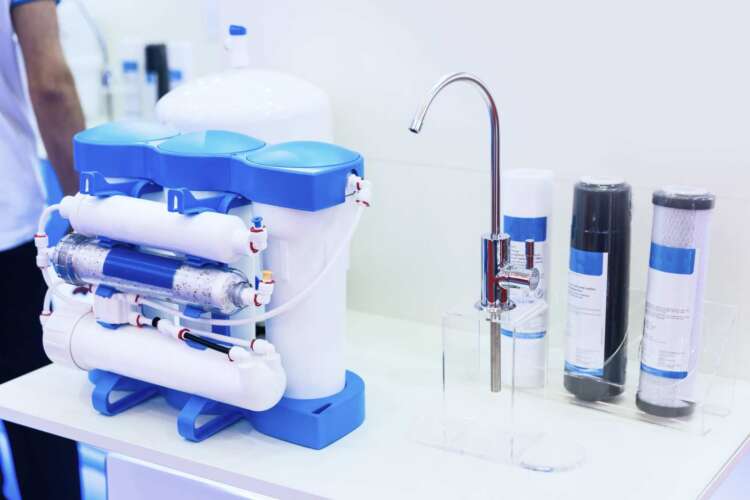
A water conditioning system is often called a “salt-free softener,” even though it works differently than a traditional unit. These systems are popular because they do not require salt refills and do not waste water through backwashing. Many homeowners prefer a soft water conditioner because the water retains healthy minerals like calcium while preventing plumbing damage. However, because the minerals remain, you might still see some minor spotting on glass surfaces or chrome fixtures. If your goal is to have completely “slippery” feeling water and zero spots on your dishes, a traditional softener might be a better fit. Our team at Metro Water Filter can help you weigh these pros and cons based on your specific household needs.
Comparing Costs and Maintenance Requirements
When deciding on a water conditioner for home use, long-term maintenance is an important factor to weigh for either option. Salt-based softeners require you to regularly buy and add bags of salt, along with occasional resin maintenance. These systems also use electricity and extra water during their regeneration cycles to clean the resin beads, which can add to your ongoing utility costs.
In contrast, a water conditioning system generally requires less hands-on upkeep. There is no salt to purchase or refill, and most systems do not use a backwash cycle. You may need to replace the media or filter cartridge periodically, but many homeowners appreciate the lower day-to-day involvement.
That said, the right choice depends on your household’s specific water quality issues, usage habits, and preferences. Both systems have their own cost and maintenance profiles that are worth discussing with a water treatment professional. At Metro Water Filter, we can walk you through the details of each option so you can make the decision that best fits your home and budget.
Water Conditioner vs. Softener: Which System is Right for Your Home
Choosing the best soft water system depends on your priorities and your local water quality. If you are on a low-sodium diet, a salt-free conditioner is a great choice because it does not add any sodium to your drinking water. However, if you have extremely hard water or use a well, a traditional softener is often more reliable. Before making a final decision, we recommend hard water testing to determine exactly how many minerals are in your supply.
At Metro Water Filter, we understand that every home is unique. Some families love the environmental benefits of salt-free systems, while others cannot live without the feeling of truly soft water. If you are unsure which path to take, consulting with a water conditioning filter specialist can provide the clarity you need to move forward. We are here to ensure you get a system that fits your lifestyle and protects your home investment for years to come.
Softener or Conditioner? Speak with Our Filtration Experts
Are you ready to say goodbye to hard water problems? Whether you want a traditional softener or a modern conditioner, Metro Water Filter of the South has the expertise to install and maintain the perfect system for you. We provide high-quality water treatment solutions tailored to your specific needs. Contact Metro Water Filter of the South today to schedule a consultation and take the first step toward cleaner, better water for your entire family!