
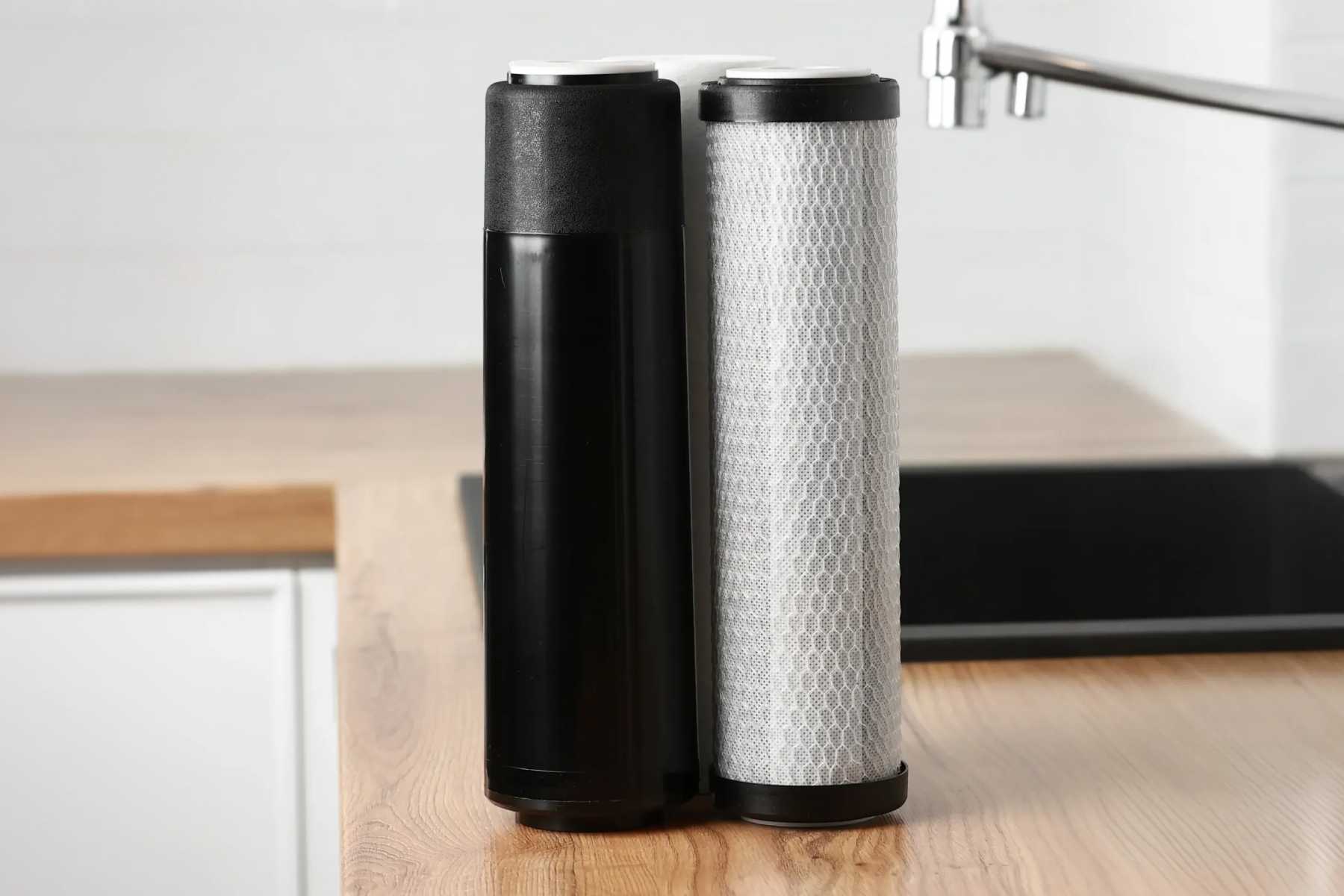

You may have noticed that your tap water still smells a little like a swimming pool, even though you already have a carbon water filter. Or maybe the filter worked well at first and now seems to make less of a difference. Most people assume every carbon filter does the same job, but the type of carbon inside the tank matters more than you might think. The two most common options are a standard activated carbon water filter and a catalytic carbon filter, and each one shines in different situations. If you live in Georgia or anywhere in the Southeast, understanding catalytic carbon vs activated carbon can help you choose the right filter for your water the first time.
What Is an Activated Carbon Water Filter?
Activated carbon starts as coconut shells, coal, or wood. That material is heated to very high temperatures, which opens up millions of tiny pores and creates an enormous amount of surface area. As water flows through, contaminants stick to that surface in a process called adsorption. It is the workhorse behind most carbon filter water treatment in homes today.
Activated carbon water filters are known for improving taste and smell, and they are the most widely used option for chemical reduction. If you want a deeper look at how activation changes the material, our guide on how activated carbon filtration compares to standard carbon walks through it.
What Makes a Catalytic Carbon Filter Different?
Catalytic carbon begins as activated carbon. It then goes through an extra treatment, often high heat in a nitrogen-rich gas, that changes the chemistry on its surface. The carbon keeps its ability to adsorb contaminants, but it also gains the ability to act as a catalyst. A catalyst speeds up a chemical reaction without being used up by it.
In practical terms, a catalytic carbon water filter does not just hold onto certain contaminants. It helps break them apart into harmless byproducts. That is the core difference in activated carbon vs catalytic carbon. One traps. The other traps and breaks down.
Catalytic Carbon vs Activated Carbon: What Each One Removes
Both filters share a lot of common ground, so the real question is which contaminants are in your water. Here is how each one handles the most common concerns.
Chlorine. Both types do an excellent job with free chlorine, the disinfectant many cities use to keep water safe on its way to your home. Activated carbon reduces it quickly and affordably, and our post on how to remove chlorine from tap water with a carbon filter explains why it works so well.
Chloramine. This is where the two filters really separate. Many utilities now use chloramine, a blend of chlorine and ammonia that lasts longer in the pipes. Chloramine is far more stable than chlorine, so standard activated carbon needs much more contact time to reduce it and wears out faster trying. Catalytic carbon breaks chloramine down much more efficiently. The EPA offers helpful background on chloramines in drinking water if you want to learn more about why utilities use it.
VOCs and PFAS. Volatile organic compounds and PFAS, often called forever chemicals, are captured through adsorption. Activated carbon is the standard choice here, and catalytic carbon retains that same adsorptive ability. You can read more about how carbon filtration is used to remove PFAS and VOCs from drinking water.
Hydrogen sulfide. That rotten egg smell is common in well water across the Southeast. Catalytic carbon can help reduce hydrogen sulfide, while standard activated carbon struggles with it beyond very low levels.
Fluoride. Neither type of carbon removes fluoride in meaningful amounts. If fluoride is your main concern, it is worth learning which systems can actually remove fluoride from your water before you buy.
Is a Standard Carbon Water Filter Enough for City Water?
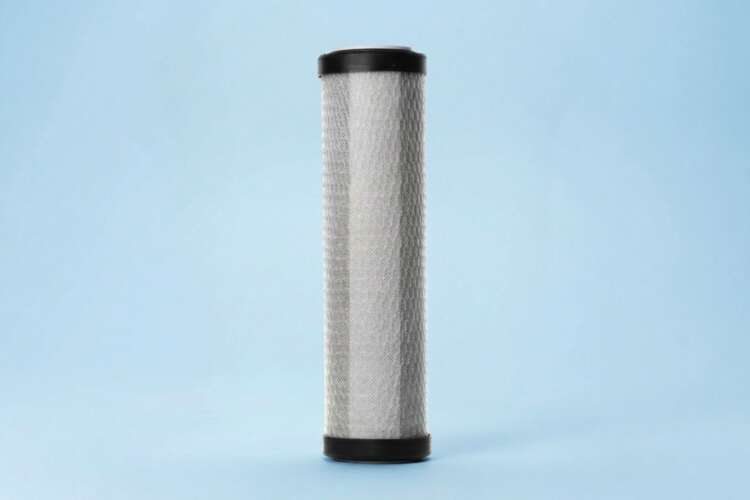
For many homes, yes. But it depends on how your city disinfects its water. If your utility uses free chlorine, a good activated carbon water filter will handle it well. If your utility uses chloramine, that same filter may leave behind more disinfectant than you realize, and the media may need replacing sooner than expected.
The easiest way to find out is to check your utility’s annual water quality report. It will list the disinfectant in use. It also helps to understand the limitations of carbon filters so you know what carbon can and cannot do on its own. That way you are matching the filter to the water you actually have.
When a Catalytic Carbon Filter for Whole House Use Makes Sense
A catalytic carbon filter whole house system is often the better pick if any of these sound familiar:
- Your city water is treated with chloramine.
- Your well water has a sulfur or rotten egg smell.
- You notice a lingering chemical smell in the shower even with a carbon filter installed.
- You want a filter that holds up longer against chloramine before the media needs replacing.
Because it treats every tap, a whole house setup protects your showers, laundry, and kitchen at the same time. Our whole house carbon filtration systems can be configured with either type of media depending on what your water test shows.
When an Activated Carbon Water Filtration System Is the Better Fit
An activated carbon water filtration system is a smart choice if your water is treated with free chlorine and your main goals are better taste, less odor, and reduced VOCs or PFAS. Activated carbon typically costs less than catalytic carbon, so it delivers strong value when chloramine is not part of the picture.
For most city water homes on chlorine, this is the simplest and most cost-effective upgrade. If you are weighing the costs and benefits, our post on investing in a carbon water filter for your home breaks down what to expect. When comparing a catalytic carbon filter vs activated carbon, start with your disinfectant, then your budget.
Keeping Your Carbon Filter Water Fresh Over Time
No matter which carbon you choose, the media does not last forever. As the pores fill up or the catalytic surface wears down, contaminants start slipping through. The first sign is usually the return of a chlorine or sulfur smell.
Catalytic carbon tends to last longer than standard activated carbon when chloramine is present, but both need regular attention. Backwashing, timely media replacement, and a pre-filter for sediment all help. These simple habits for maintaining whole house carbon filters keep your system working the way it should for years.
Talk to a Carbon Water Filtration Expert in Georgia
Choosing between catalytic carbon and activated carbon gets much easier once you know what is in your water. Metro Water Filter of the South has served homeowners across Georgia and the Southeast since 1972, and our team can recommend the right media for your home. Explore our residential water filtration options to see what a full home system can do.
When you are ready, reach out to a carbon water filtration expert to schedule a free in-home water test. Your water should taste clean and smell like nothing at all, and if it doesn’t, we can help you find out why.