
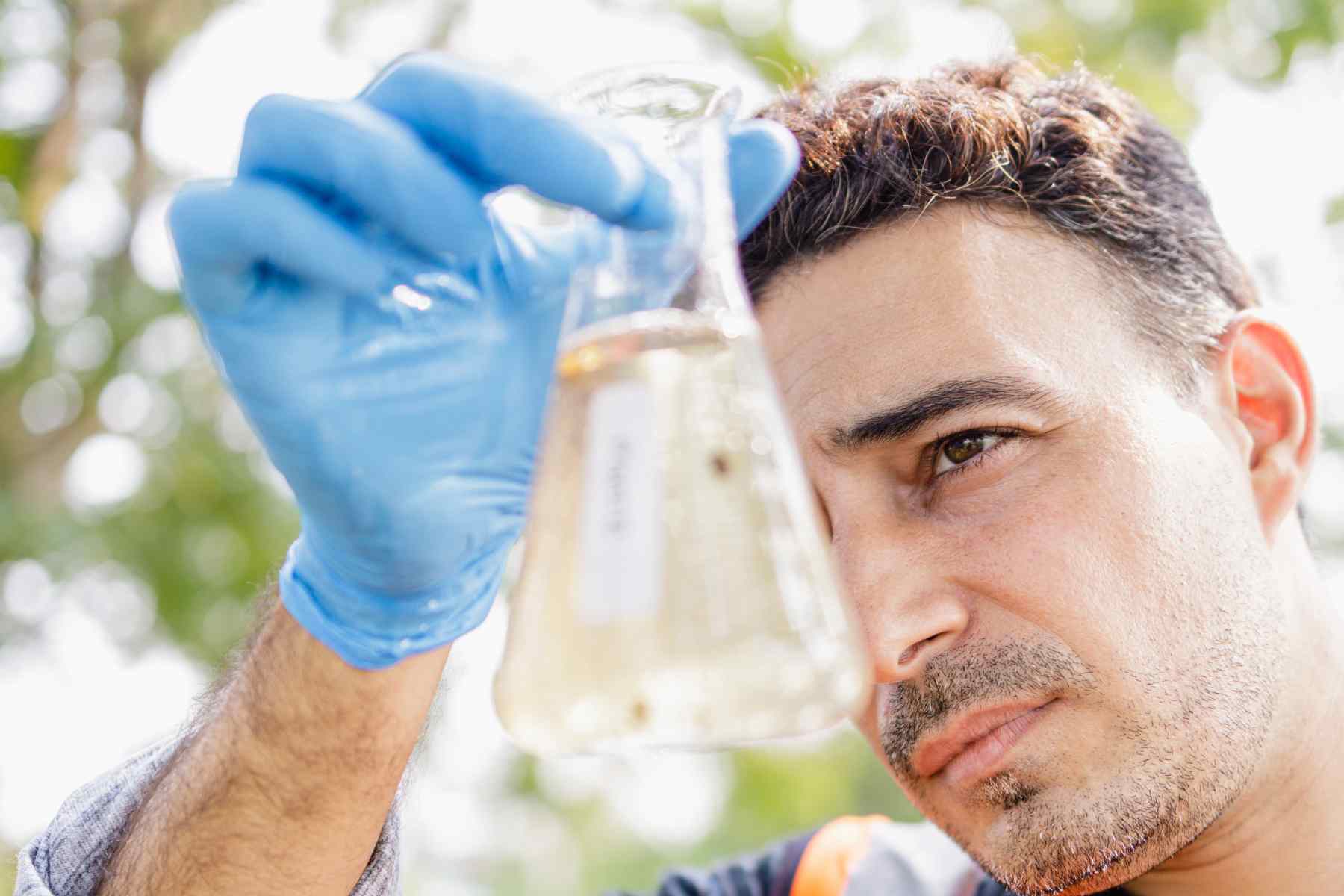

Your well water test comes back and one line stops you: coliform bacteria detected. Before you assume the worst, it helps to understand what that result actually means. Coliform bacteria in well water is one of the most common flags on a Georgia water test, and it is also one of the most misunderstood. Whether you rely on a private well or a municipal water treatment system, knowing what coliform bacteria is, where it comes from, and how to treat it protects both your health and your peace of mind.
What is Coliform Bacteria in Water
Coliform bacteria is a broad group of bacteria found naturally in soil, plants, and the digestive tracts of animals. Total coliform is the umbrella category, and it includes several subtypes, one of which is E. coli, a strain that specifically signals fecal contamination. Coliform bacteria in water do not always mean the water is contaminated with something dangerous. It usually means water has been exposed to surface conditions it should not have contact with. So what is coliform in well water, in practical terms? It is your well’s early warning system, a sign that something in the surrounding environment has found its way in.
Is it common to have coliform in well water? It is more common than most homeowners expect, especially in Georgia’s rural and suburban areas where private wells draw from shallow aquifers. What causes coliform in well water usually comes down to one of a few culprits: a cracked well casing, a loose well cap, nearby surface runoff after heavy rain, or an aging septic system too close to the well. Coliform in drinking water can also appear after well maintenance work disturbs the surrounding soil.
Is Coliform Bacteria Harmful
This is the question most people actually want answered. Is coliform bacteria dangerous on its own? Generally, total coliform bacteria is not the direct health threat. It is an indicator organism, meaning its presence signals that your well may be vulnerable to more serious contamination, not that you are guaranteed to get sick. If a test comes back positive specifically for E. coli, that is a different and more urgent situation, since it points directly to fecal contamination and a real risk of illness.
What happens if you drink water with coliform bacteria present depends heavily on which subtype is involved. Symptoms of coliform bacteria in well water exposure, when they occur, tend to resemble general gastrointestinal illness: nausea, cramping, and diarrhea. Children, older adults, and anyone with a weakened immune system face higher risk from any bacteria in water supply, which is exactly why a positive result should never be ignored, even when total coliform alone is not an emergency.
How to Remove Coliform from Well Water
 Once a well tests positive, the next question is practical: how to get rid of coliform bacteria in well water for good, not just temporarily. Learning how to treat coliform bacteria in well water starts with identifying and fixing the entry point, whether that is a damaged casing, a failing seal, or septic proximity. Fixing the source without addressing ongoing filtration often means the problem returns with the next heavy rain.
How to treat coliform in well water on an ongoing basis generally involves one or more of these approaches. Coliform bacteria treatment can take several forms depending on your well and how severe the result was:
- Shock chlorination. A one-time or periodic treatment that floods the well with a chlorine solution to kill existing bacteria. This is often the first step, but it is a treatment, not a permanent fix.
- Continuous chlorination or UV disinfection. A UV system treats water as it enters your home, neutralizing bacteria without adding chemicals, and it is one of the most effective long-term answers to how to remove coliform from well water.
- Reverse osmosis. Many homeowners ask specifically how reverse osmosis removes bacteria from drinking water. RO membranes filter at a fine enough level to reduce bacteria along with a wide range of other contaminants, making it a strong complement to a whole-home disinfection system.
If you are shopping for a water filter for coliform bacteria, look for a system built around your specific well test results rather than a generic package. Well water coliform treatment is not one-size-fits-all, and the right combination depends on your well depth, flow rate, and how the contamination is entering the system in the first place.
Why Regular Well Water Testing Matters
Treating coliform in water only works if you know it is there. Well water testing on a regular schedule, not just when something seems off, catches coliform bacteria in drinking water before it becomes a larger household issue. Coliform is rarely the only thing worth checking for. Private wells can carry a range of contaminants in water beyond bacteria, including iron, hardness minerals, and in some areas, agricultural runoff, so a full test paints a much more complete picture than a single coliform result.
Test your water for coliform bacteria
Metro Water Filter of the South has helped Georgia and Southeast homeowners solve well water problems since 1972. If your test came back positive for coliform bacteria, our team can walk you through what the result actually means for your household and design residential water filtration built around your specific well.
The first step is always to test your water quality, so you know exactly what you are dealing with before choosing a treatment path. From there, our team can help you weigh shock chlorination, UV disinfection, or reverse osmosis based on your well’s history and your household’s needs. Contact a water expert today, and let’s make sure the water coming out of your tap is safe, clear, and something you don’t have to think twice about.
Coliform in water FAQs:
Is coliform bacteria harmful?
Total coliform on its own usually is not a direct health threat, but it signals that your well may be exposed to contamination it should not be. A positive result specifically for E. coli is more serious and should be addressed right away.
What is total coliform?
Total coliform is a broad category of naturally occurring bacteria that includes several subtypes, including E. coli. Its presence is used as an indicator that a well may be vulnerable to outside contamination.
Is it common to have coliform in well water?
Yes, especially in Georgia’s rural and suburban areas where wells draw from shallow aquifers. A cracked casing, loose well cap, or nearby septic system are all common causes.
What does coliform bacteria cause?
When illness does occur, it typically resembles mild to moderate gastrointestinal symptoms such as nausea, cramping, or diarrhea, and risk is higher for children, older adults, and anyone with a weakened immune system.
How to remove coliform from water?
Most households use a combination of shock chlorination to address an existing problem, continuous UV disinfection or chlorination for ongoing protection, and in some cases reverse osmosis for an added layer of filtration at the tap.