
When you think of the beautiful natural resources in our state, Georgia water, from the rolling Chattahoochee River to our many lakes and coastal estuaries, is likely at the top of the list. However, maintaining the health of these resources is a constant challenge. One of the biggest threats to our environment isn’t a single large factory, but something much more common: stormwater runoff.
For many homeowners, the term might sound technical, but the concept is simple. In this blog, we will break down what this process is, how it affects the environment, and how you can protect the safety of your family’s water.
What is Stormwater Runoff?
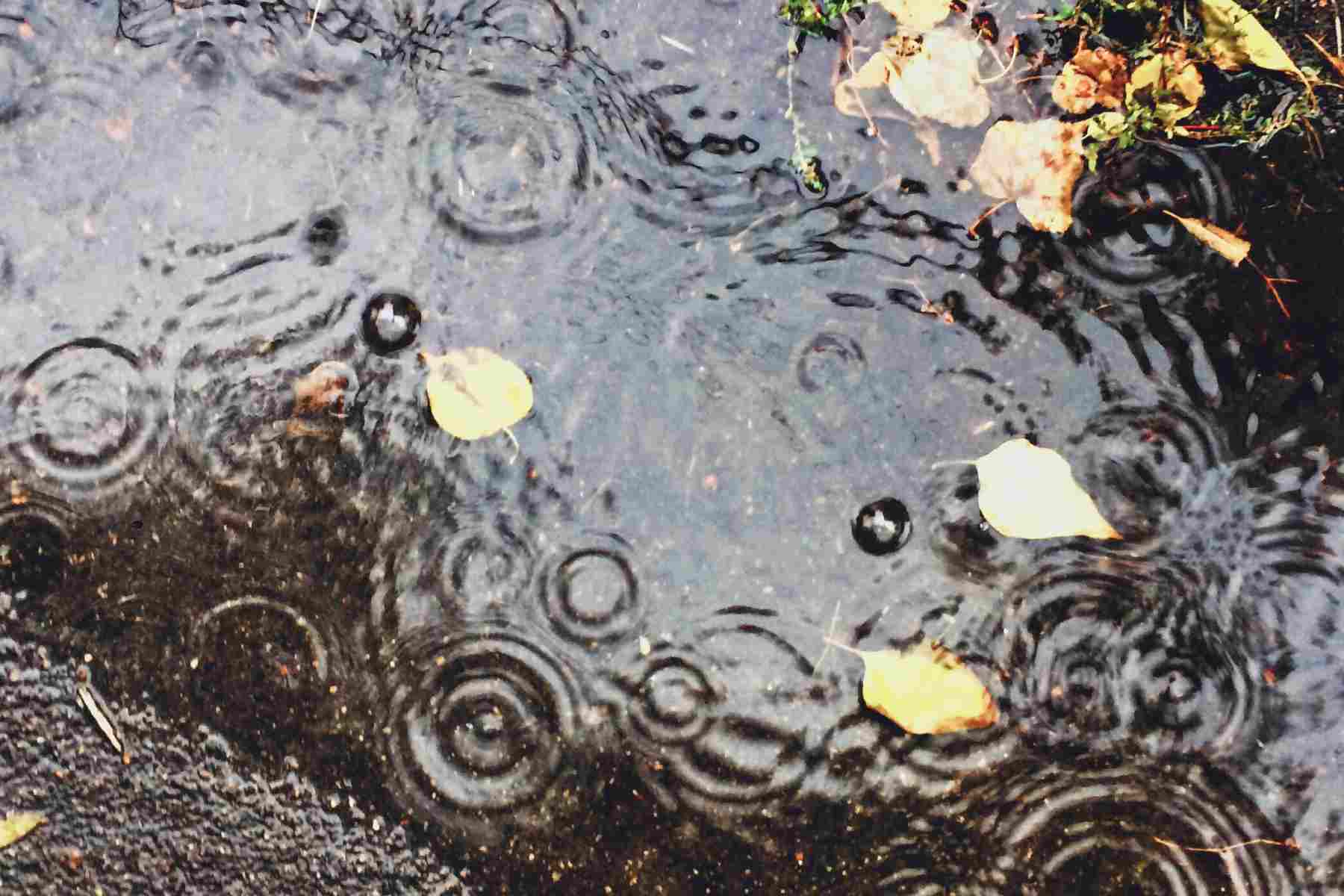
Every time it rains in the South, the water that isn’t absorbed into the ground has to go somewhere. In a natural forest, most of that rain would soak into the soil and be filtered by tree roots. But in our growing cities and neighborhoods, we have a lot of “impervious” surfaces, things like rooftops, driveways, and paved roads that don’t allow water to soak in.
Instead, the water flows over these surfaces, picking up everything in its path. This is stormwater runoff. Unlike the water that goes down your indoor drains to a treatment plant, this runoff often flows directly into storm drains and then straight into our local streams and rivers without any treatment at all. This is a major factor in the overall water quality in Georgia.
How Runoff Impacts Water Quality in Georgia
Because runoff travels over so many different surfaces, it acts like a giant vacuum, collecting pollutants along the way. These contaminants end up in the same rivers we use for fishing, swimming, and even drinking water.
Here are the most common pollutants that affect water quality in Georgia:
Sediment (Dirt).
This is actually the most common pollutant in our state. When construction sites or bare patches of yard wash away, they cloud the water, making it hard for fish to see and breathe.
Excess Nutrients.
Fertilizers used on lawns contain nitrogen and phosphorus. When these wash into a pond or river, they cause massive “algae blooms” that can turn the water green and use up all the oxygen that fish need to survive.
Bacteria and Pathogens.
Pet waste and failing septic systems can introduce harmful bacteria like E. coli into our waterways. Understanding these water quality indicators is essential for staying safe.
Oils and Chemicals.
Leaks from cars, pesticides from gardens, and even heavy metals from brake pads all get washed into the water supply.
Common Sources of Pollution in Georgia Water
 Nonpoint source pollution, pollution that comes from many small, dispersed locations rather than one single pipe, is a primary concern for Georgia water. Because it comes from everywhere, everyone has a part to play in its prevention.
Common sources include:
1. Residential Lawns
Over-applying fertilizers or pesticides shortly before a rainstorm.
2. Driveways and Roads
Cars leaking fluids like oil or antifreeze.
3. Construction Sites
Areas where soil is disturbed and can easily wash away during a storm.
4. Pet Waste
Leaving waste on sidewalks or in yards where rain can carry it into storm drains.
As the leading water purification company in Georgia, we at Metro Water Filter see firsthand how these environmental factors can eventually affect the water that reaches your home. It is always wise to check for water quality to see if your local environment is impacting your tap water.
Simple Steps to Protect Water Quality in Georgia
You don’t need to be an environmental scientist to help improve water quality in Georgia. Simple changes at home can make a huge difference:
-
Practice Smart Landscaping.
Use native plants that require less water and fertilizer. If you have a bare patch of soil, cover it with mulch to prevent erosion.
-
Be a Responsible Pet Owner.
Always pick up after your pet. Pet waste is a major source of bacteria and excess nutrients in urban runoff.
-
Maintain Your Vehicle.
Fix leaks promptly and always wash your car on the grass or at a commercial car wash instead of on your driveway. This prevents soapy water and grime from entering the storm drain.
-
Manage Your Drains.
Never dump used motor oil or household chemicals down a storm drain.
For those looking to take extra precautions, residential water filtration systems can provide a final layer of protection for your household.
Why You Should Test Your Georgia Tap Water
While our local utilities work hard to manage stormwater runoff, the truth is that the journey from the river to your tap is complex. Contaminants in our groundwater and surface water can occasionally bypass standard treatments, or older pipes can introduce new issues into your home.
As the premier water filter specialists in GA, we recommend homeowners start with our free water test. This allows you to see exactly what is in your water and determines if you need home water filtration services to ensure your family is drinking the cleanest water possible.
Protecting Our Shared Resources
The health of Georgia water depends on all of us. By understanding how stormwater runoff works and taking small steps to reduce pollution at the source, we can protect our state’s beauty for generations to come. Whether you are comparing filtered water to bottled alternatives or simply looking for ways to be more eco-friendly, staying informed about water quality in Georgia is the best place to start.
Ready to ensure your home’s water is safe? Metro Water Filter is dedicated to protecting your family from the contaminants that runoff can introduce into the supply. Take the first step toward cleaner water today, contact us to schedule your free water test.
Frequently Asked Questions
Runoff can carry sediment, fertilizer, and bacteria into rivers and reservoirs that serve as drinking water sources, adding an extra burden on treatment systems before water reaches your tap.
Impervious surfaces like roads, parking lots, and rooftops prevent rain from soaking into the ground, so it picks up pollutants and carries them directly into storm drains and waterways.
Yes — reducing fertilizer use, maintaining septic systems, and using permeable landscaping can all help limit the pollutants that runoff carries into local water sources.