


If you or someone in your household deals with rosacea, you know how frustrating it can be to manage. The redness, the rosacea bumps, the sensitivity that seems to flare up without warning. Most people focus on skincare products and diet as triggers, but one factor that often gets overlooked is the water itself. Could the water coming out of your taps be making rosacea worse? And could water filtration actually help? Here is what you need to know.
What Causes Rosacea and What Makes It Worse
Rosacea is a chronic skin condition that causes redness, visible blood vessels, and sometimes rosacea bumps on the face. While the exact cause is not fully understood, rosacea symptoms and triggers are well documented. Common triggers include sun exposure, heat, certain foods and drinks, stress, and skin care products. What many people do not realize is that the quality of the water touching their skin every day can also play a role. Hard water, chlorine, and other impurities found in unfiltered tap water are known irritants for sensitive skin, and for rosacea sufferers, that irritation can mean more frequent and more severe flare-ups.
Water Impurities That May Trigger Rosacea
Not all water is created equal, and what is in your water matters when it comes to skin health. A few of the most common culprits include:
- Hard water minerals: Hard water contains elevated levels of calcium and magnesium. These minerals can disrupt the skin’s natural barrier, leaving it dry, irritated, and more vulnerable to rosacea rash and inflammation. If you are unsure whether you have hard water, hard water testing is a smart first step.
- Chlorine: Most municipal water supplies use chlorine to disinfect water. While that serves an important purpose, chlorine is a known skin irritant that strips away natural oils and can aggravate sensitive skin conditions like rosacea. A chlorine in water solution can make a real difference for people who are sensitive to it.
- Sediment and other contaminants: Sediment, heavy metals, and other dissolved impurities in tap water can compound skin irritation, particularly for people already dealing with a compromised skin barrier.
Understanding what is in your water is the foundation of figuring out how to treat rosacea from a water quality standpoint. You can learn more about how water conditioners improve water quality and what that means for skin health.
How Filtered Water May Help With Rosacea
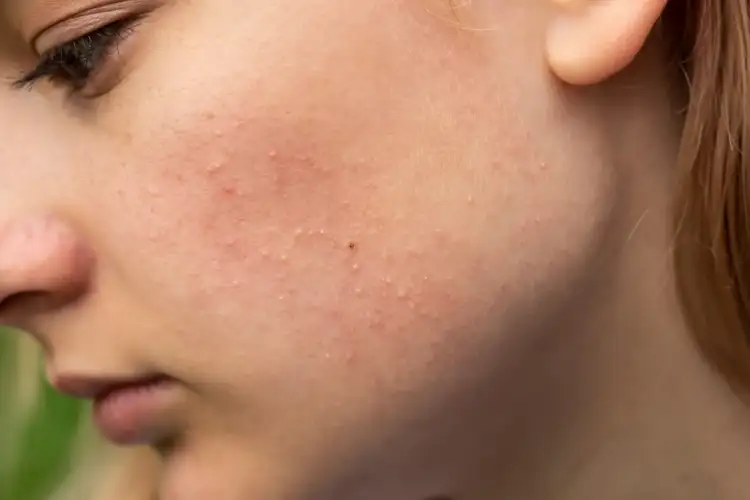 Switching to filtered water will not cure rosacea, and it is important to be clear about that. Rosacea treatment is a medical matter best handled with a dermatologist. What water filtration can do is remove or reduce the irritants in your water that may be making your rosacea symptoms worse. Many rosacea sufferers report improvement in their rosacea skincare routine simply by changing the water they wash their face and shower with. Softer, cleaner water is gentler on the skin barrier, which means less unnecessary irritation on top of an already sensitive condition. If you are looking into a shower filter for sensitive skin, that is a reasonable place to start, though a whole home solution offers more complete coverage. You can also read about how water filtration help eczema for a closer look at how filtered water affects sensitive skin conditions more broadly.
Types of Water Filtration That May Help
There are a few filtration options worth considering if hard water and rosacea or chlorine sensitivity are concerns in your home:
- Conditioning filters: A solution for hard water addresses the mineral content that can dry out and irritate skin. Switching from hard water to soft water is one of the most commonly reported changes that benefits sensitive skin.
- Carbon filters: These are effective at reducing chlorine and other chemical contaminants that can aggravate rosacea rash and skin sensitivity.
- Whole home filtration: A whole home water filter treats every tap and shower in your house, so you are not just addressing drinking water but every point of contact between your skin and your water supply.
The right combination depends on what is actually in your water, which is why testing always comes first.
How to Know If Your Water Could Be Affecting Your Rosacea
If you have been diligent about your rosacea skincare routine and still struggling with how to get rid of rosacea flare-ups, your water quality is worth investigating. Signs that your water may be contributing to the problem include dry or tight skin after washing, visible residue on fixtures and glass, or skin that seems more irritated after showering than before. These are all indicators that your water may contain levels of hardness or chlorine that are not doing your skin any favors. The best way to know for certain is a professional water test. Our home water filtration services start with understanding exactly what your water contains before recommending any solution.
Talk to an Expert About How to Treat Rosacea Triggers in Your Water
Metro Water Filter of the South has been helping families across Georgia and the Southeast improve their water quality since 1972. If you suspect your water may be contributing to your rosacea symptoms and triggers, our team is here to help you find out. As an expert water filter company with over 50 years of experience, we offer free in-home water testing and personalized filtration recommendations with no pressure to purchase. Contact a water filter specialist today or give us a call to schedule your free consultation. Cleaner water is a simple change that could make a real difference for your skin.
Frequently Asked Questions
It can. The mineral buildup left behind by hard water can dry out and irritate skin, which may aggravate rosacea symptoms for some people.
No single filter cures rosacea, since it’s a skin condition with multiple triggers. Filtered water can reduce two common irritants, chlorine and hard water minerals, but it works best alongside a broader skincare routine.
A whole house or shower filter that reduces chlorine and softens hard water tends to help the most, since both showering and washing your face expose skin directly to whatever is in the water.