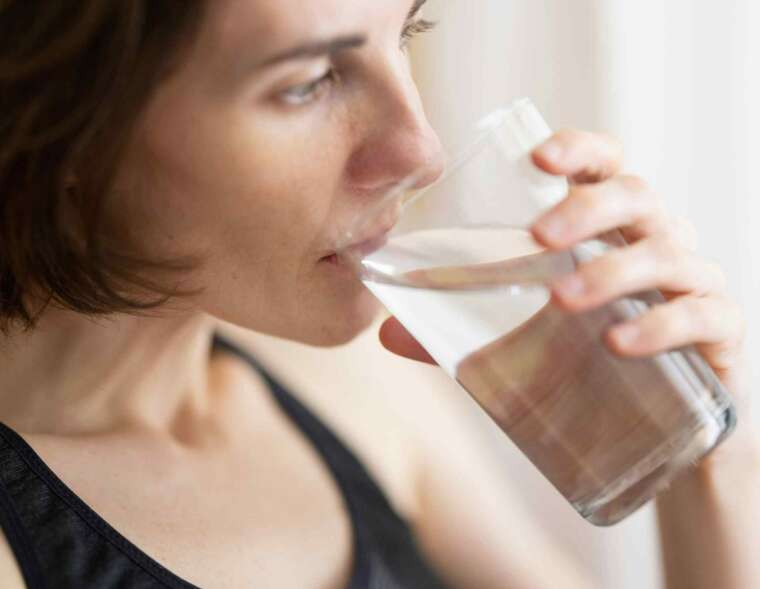
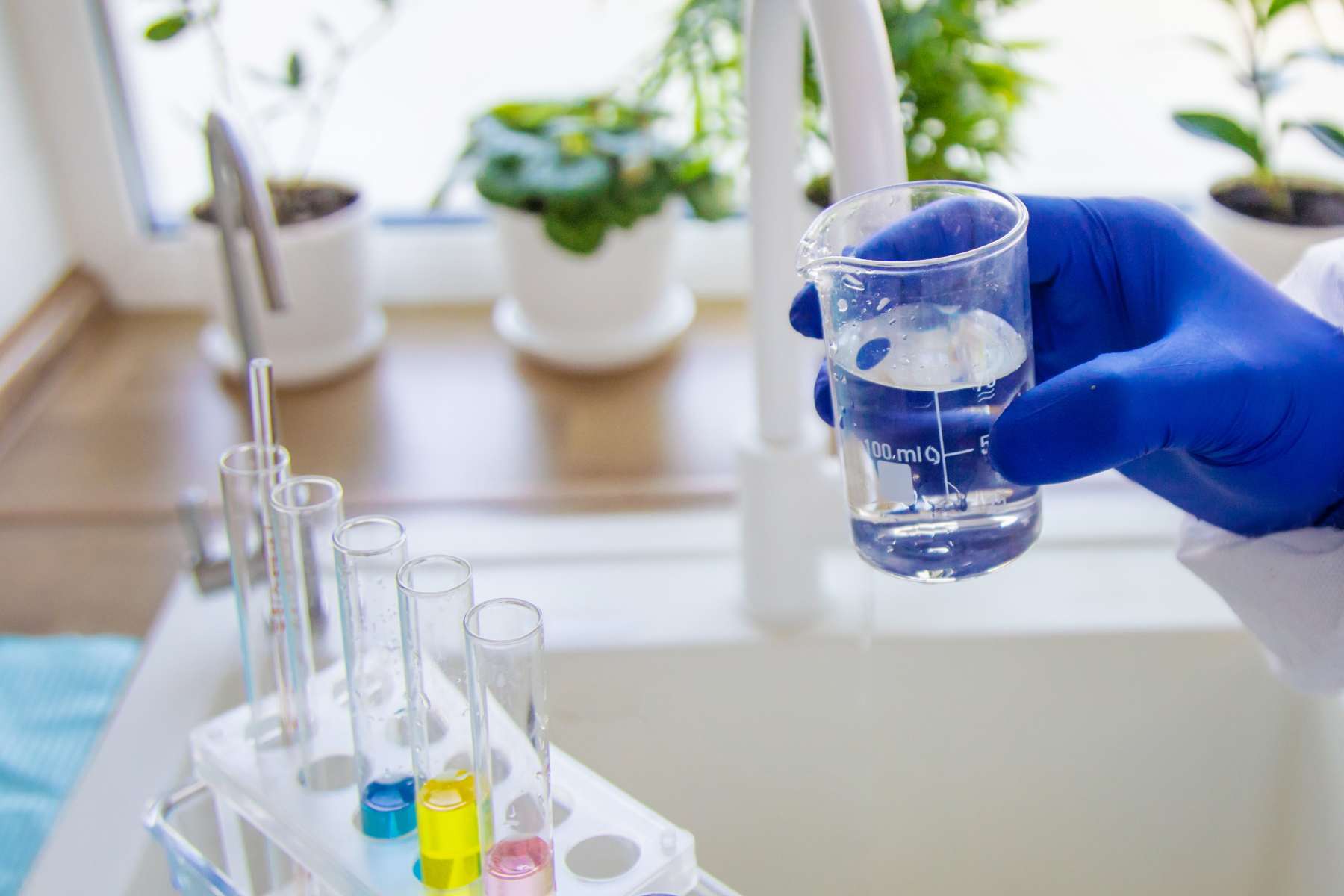

If your home runs on a private well, summer in Georgia is the most important time of year to pay attention to your water quality. The heat, the rain, the humidity, and the increased water demand that comes with the season all create conditions that can affect what is coming out of your tap. Well water testing is something every private well owner should be doing regularly, but if there is one season to prioritize it, this is it.
What Happens to Well Water During a Georgia Summer
Georgia summers are intense. The combination of heavy rainfall, high temperatures, and drought cycles creates a uniquely challenging environment for private wells. Heavy summer storms push stormwater runoff across the ground and into the soil, carrying pesticides, fertilizers, animal waste, and other contaminants toward your water table. At the same time, drought periods lower water tables and concentrate whatever is already in the groundwater. Both extremes put your well water quality at risk in different ways, and neither is something you can see or smell without proper testing. Understanding water quality in Georgia means understanding that the season plays a real role in what ends up in your water.
Why Private Well Water Testing Is Your Responsibility
Unlike city water, which is treated and monitored by a municipality, private well water is entirely the homeowner’s responsibility. There is no agency testing your well on your behalf or alerting you when something changes. That means well water contamination can go undetected for months or even years without regular testing. The EPA recommends that private well owners conduct well water quality testing at least once a year, and more frequently if there are known risks in the area or after significant weather events. Summer in Georgia checks both of those boxes for many homeowners across the state.
What Comprehensive Well Water Testing Looks For
A water well testing appointment with a professional covers far more ground than a basic at-home kit. Comprehensive well water testing examines a wide range of potential contaminants including:
- Bacteria and coliform: Bacterial contamination is one of the most common well water problems and one of the most dangerous. Bacteria in well water can cause serious illness and is not detectable by taste or smell alone.
- Nitrates: Common in agricultural areas of Georgia, nitrates from fertilizers and animal waste can leach into groundwater, particularly after heavy summer rains.
- Iron and manganese: Georgia well water problems frequently include elevated iron levels, which affect taste, staining, and plumbing.
- pH and hardness: These affect the taste of your water and the health of your pipes and appliances.
- Heavy metals and chemical contaminants: Depending on your location and what surrounds your property, testing well water for contaminants like lead, arsenic, and pesticides may be warranted.
A water quality test gives you a complete picture of what is in your water so any filtration solution can be built around your actual results.
Well Water Testing Kit vs. Professional Testing
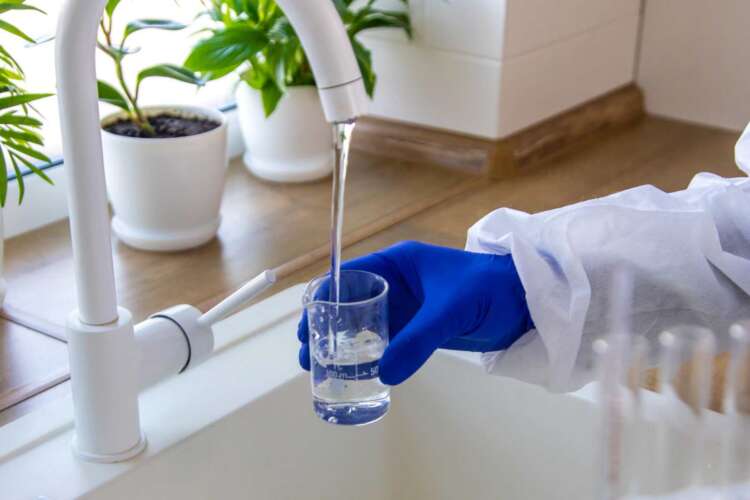
A well water testing kit from a hardware store can give you a basic snapshot, but it has real limitations. Most kits test for a narrow range of contaminants and require you to interpret results on your own. Hard water testing comparisons between at-home kits and professional testing show consistently that professional testing catches more and catches it more accurately. For private well owners in Georgia dealing with seasonal contamination risks, professional well water quality testing is the more reliable choice. The free water quality testing offered by Metro Water Filter of the South gives you professional-grade results without the cost of a lab kit.
Signs Your Well Water May Have a Summer Contamination Problem
You should not wait for obvious signs before scheduling a well water check, but there are a few indicators that something may have changed in your water quality:
- Unusual taste or odor, particularly after heavy rain
- Discoloration or cloudiness in your water
- Staining on fixtures, laundry, or dishes
- Gastrointestinal issues among household members
- Recent flooding or significant storm activity near your property
Any of these warrants immediate well and water testing. Even if none of these are present, annual testing remains the standard recommendation for private well owners.
What to Do If Your Well Water Test Reveals a Problem
A failed well water quality test is not a reason to panic. It is information, and information is what makes it possible to fix the problem. Depending on what your results show, solutions range from UV disinfection for bacterial contamination to iron filtration, reverse osmosis, or whole home filtration for chemical and mineral issues. The right residential water filtration in Georgia solution is always specific to what your water contains. A residential water filtration system recommendation should never come before a thorough water test, and at Metro Water Filter of the South, it never does.
Schedule Your Summer Well Water Check With Georgia’s Water Experts
Metro Water Filter of the South has been helping Georgia homeowners understand and improve their well water quality since 1972. Our home water filter experts know the specific water quality challenges that come with Georgia’s climate and geography, and we build every solution around your actual test results. Do not wait until a problem becomes obvious. Summer is the highest-risk season for private well owners in Georgia, and a free professional water test is the easiest first step you can take to protect your family. Contact us for a well water check and let our team take it from there.
Frequently Asked Questions
Georgia summers bring both heavy rainfall and drought conditions, both of which can affect well water quality — runoff can introduce bacteria while drought can concentrate existing contaminants.
Most experts recommend testing at least once a year, with additional testing after heavy rain events or any noticeable change in taste, smell, or color.
A summer test should at minimum check for bacteria, nitrates, and pH, since these are the factors most likely to shift with seasonal rainfall and runoff changes.