
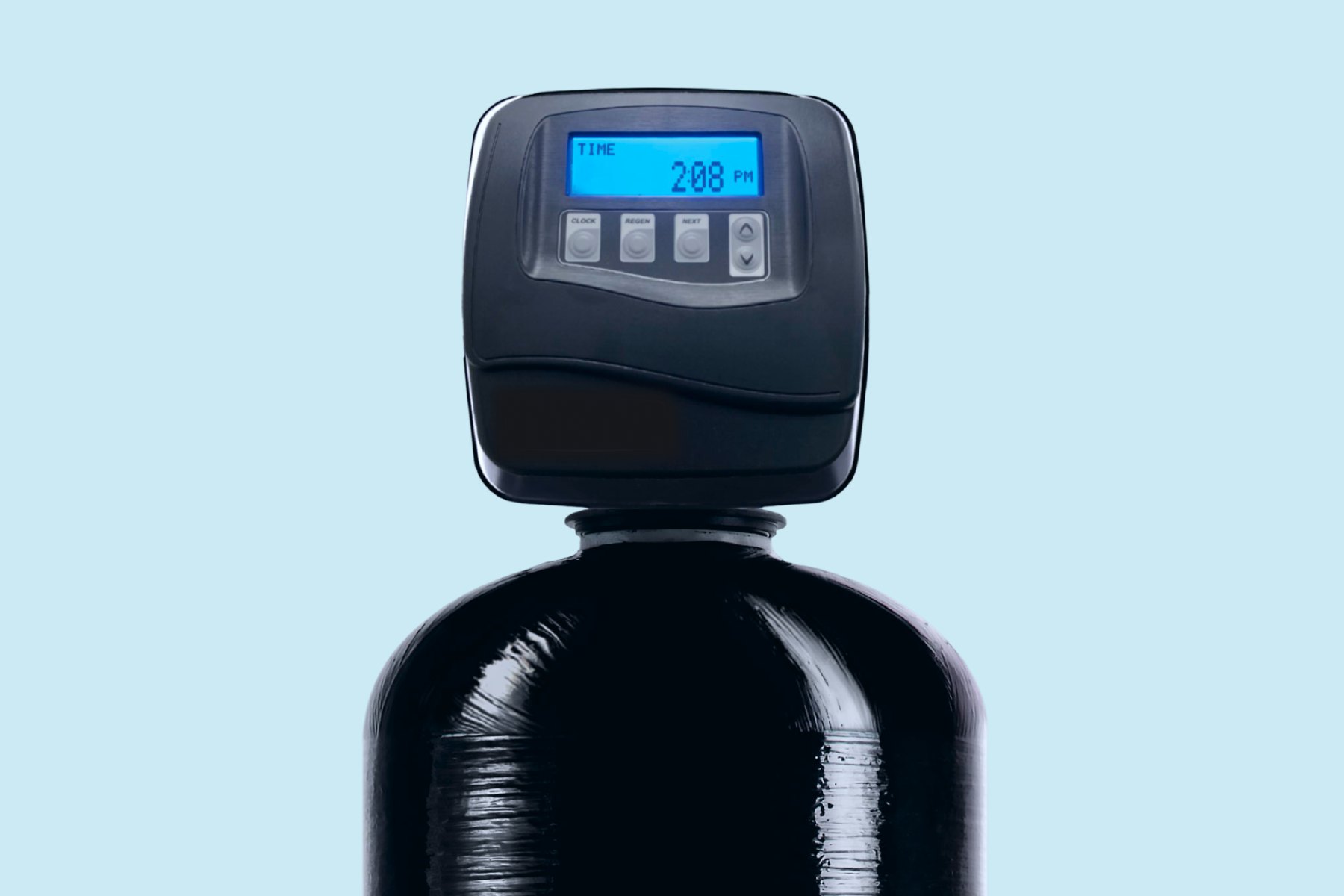

If you are on a private well and noticing a metallic taste in your water, blue-green stains around your drains, or unexplained pinhole leaks in your copper pipes, your water may be acidic. Acidic well water is a common problem for homeowners across Georgia and the Southeast, and it causes more damage than most people realize before they catch it. A well water acid neutralizer is the most direct solution, and understanding how it works helps you know whether it is what your well water needs.
What Is Acidic Well Water and Why Does It Happen
Water acidity is measured on the pH scale, which runs from 0 to 14. A pH of 7 is neutral. Anything below 7 is acidic, and anything above 7 is alkaline. Most well water in Georgia falls somewhere in the range of 6 to 7, but many wells produce water with a pH significantly lower than that. Acidic well water is often the result of rainwater absorbing carbon dioxide as it moves through the atmosphere and soil, producing carbonic acid that lowers the pH of groundwater. Geology also plays a role. Areas with certain rock and soil compositions naturally produce more acidic groundwater. Our guide about water acidity covers the science behind low pH water in more detail if you want a deeper understanding of what causes it.
What Does Acidic Well Water Do to Your Home
Low pH well water is corrosive, and that corrosion shows up throughout your home over time. The most visible signs include:
- Blue-green staining on sinks, tubs, and fixtures, caused by acidic water dissolving copper from your pipes
- Metallic taste in well water, another indicator that your water is leaching metals from your plumbing
- Pinhole leaks in copper pipes, one of the most serious and costly consequences of long-term acidic water exposure
- Damage to water heaters, appliances, and fixtures from ongoing corrosive contact
- Degraded pipe joints and fittings that develop leaks over time
These are not cosmetic issues. Acidic water actively eats away at your plumbing infrastructure, and the longer it goes untreated, the more expensive the damage becomes. If you are seeing any of these signs, an acidic water filter and a professional water test are the right next steps. Understanding common well water problems in Georgia is also a useful starting point before deciding on a treatment approach.
What Is an Acid Neutralizer and How Does It Work
An acid neutralizer is a point of entry water treatment system that raises the pH of acidic well water before it enters your home’s plumbing. The most common acid neutralizer system for well water uses a tank filled with a naturally occurring mineral media, typically calcite, which is a form of calcium carbonate. As acidic water passes through the calcite acid neutralizer tank, the water dissolves a small amount of the media, which raises the pH and makes the water less corrosive. Some systems use a blend of calcite and magnesium oxide for water with a very low pH, which provides more aggressive neutralization for harder cases. The process is chemical-free and passive, meaning it works automatically as water flows through without adding anything harmful to your water supply. You can read more about how acid neutralizer systems work in residential and commercial applications for a more detailed breakdown.
What Does a Calcite Acid Neutralizer Add to Your Water
Because the neutralization process works by dissolving calcite media into the water, it does add a small amount of hardness in the form of calcium. For most homes this is not a significant concern, but in some cases where water hardness is already elevated, a water softener or conditioning filter may be recommended alongside the well water acid neutralizer. A home well water treatment system that combines the right filter stages for your specific water is always built around what your water test results show, not a one-size-fits-all approach.
How to Know If You Need an Acid Neutralizer System for Well Water

The only reliable way to know your water’s pH and whether an acid neutralizer system for well water is the right solution is to test your water. A professional water test measures pH along with hardness, iron, bacteria, and other key parameters that paint a complete picture of your well water quality. The importance of well water testing cannot be overstated, particularly for homeowners who have never had their water tested or have not done so recently. If you want to know where to start, our post on how to test your well water walks through what the process looks like and what to expect from results.
When Acidic Water Comes With Other Well Water Problems
Low pH is sometimes accompanied by other well water issues like iron, manganese, or hardness. In those cases, the right well water treatment system may combine an acid neutralizer with additional filtration stages to address everything your water contains. Our post on other well water filters covers how different filter types work together in a complete treatment system. For well owners across Georgia, water treatment services in Georgia are available throughout the region to make getting started as straightforward as possible.
Acidic Well Water vs. City Water
Acidic water is primarily a concern for private well owners. Municipal water supplies are treated and monitored to maintain a safe pH range before water reaches your tap. If you are on city water and experiencing symptoms like metallic taste or pipe corrosion, there may be other factors at play worth investigating. Our city and well water guide breaks down the key differences between the two and helps homeowners understand which water quality concerns apply to their situation.
Talk to Acidic Water Filtration Experts Who Know Georgia Well Water
Metro Water Filter of the South has been diagnosing and treating acidic well water for homeowners across Georgia and the Southeast since 1972. Our acidic water filtration experts will test your water, identify your exact pH level alongside any other water quality issues, and recommend the right well water acid neutralizer for your specific situation. Check your well water acidity by scheduling your free water test today. Protecting your plumbing and your family starts with knowing what is actually in your water.