
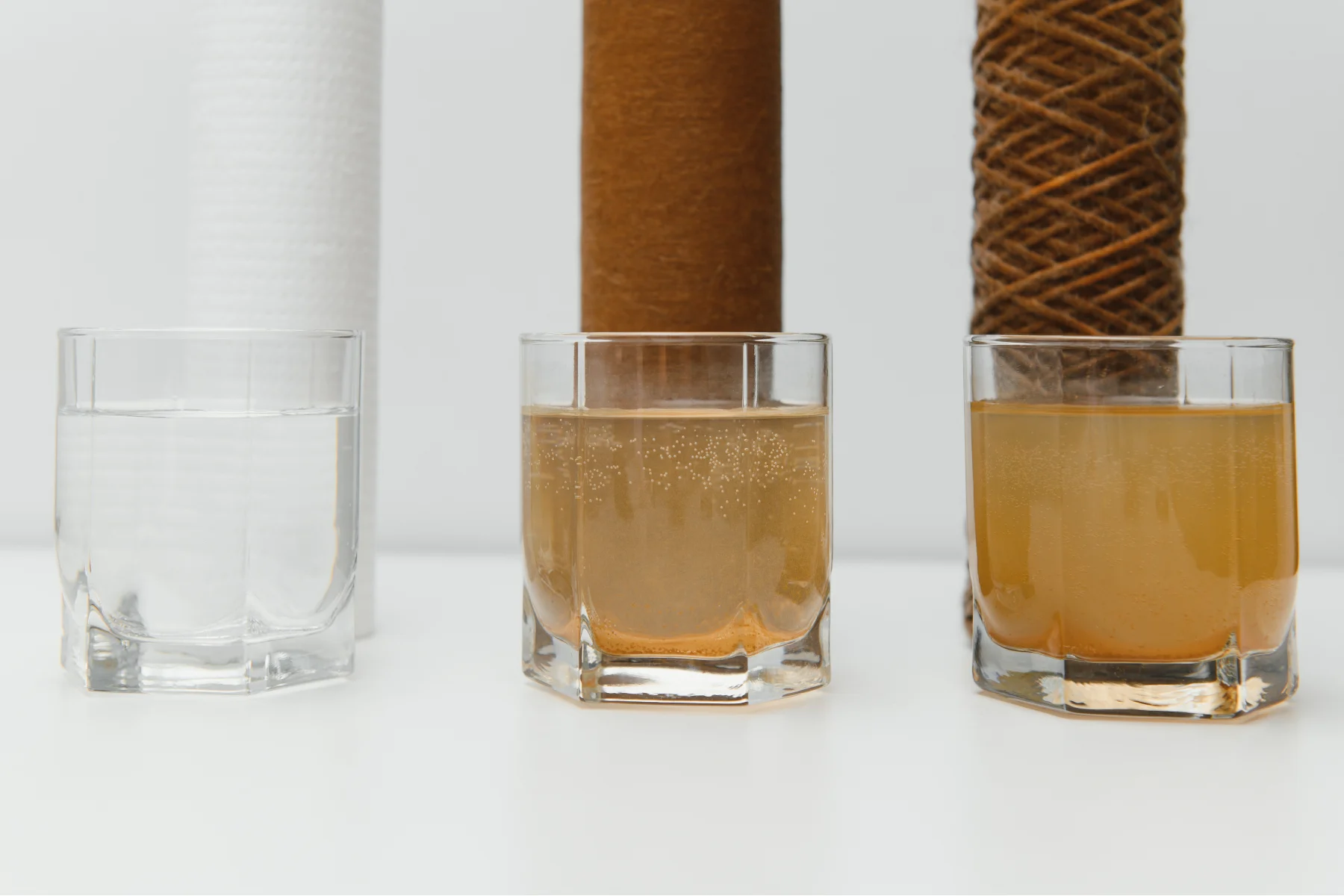

If you have noticed dark stains in your sinks, tubs, or laundry that do not quite match the orange marks left by iron, you may be dealing with manganese in water rather than iron alone. Manganese is a mineral that turns up often in Georgia’s groundwater, and while it does not always get the attention iron does, it can cause its own set of headaches around the house. If you have found yourself asking is manganese in water dangerous, or simply trying to understand why your water looks or tastes the way it does, here is what you need to know.
What is Manganese in Water?
So what is manganese in water, exactly? It is a naturally occurring mineral found in rock and soil throughout Georgia. As groundwater moves through these layers, it picks up trace amounts of manganese and carries it into wells and, in some cases, into municipal supplies.
In small amounts, manganese is common and mostly harmless. It becomes a nuisance, and sometimes a genuine concern, once concentrations climb higher than your plumbing and appliances can handle. This is one of the well water problems that Georgia homeowners run into more often than they expect, especially in areas with older rock formations close to the water table.
What Causes High Levels of Manganese in Water?
Understanding what causes high levels of manganese in water starts with your water source. Wells drilled into certain rock layers are more likely to pick up dissolved manganese, and shallow wells near wetlands or low-lying areas tend to show higher readings. Manganese contamination can also increase after heavy rain, when runoff carries more sediment and minerals into the groundwater supply.
People sometimes confuse manganese with a similarly named mineral, magnesium, but manganese vs magnesium in water are two very different things. Magnesium is a beneficial mineral tied to water hardness. Manganese, on the other hand, does not soften or harden your water. It simply builds up in pipes, fixtures, and appliances over time. If you want a broader look at how these issues show up together in private wells, our post on manganese in well water covers how it often appears alongside iron.
Is Manganese in Water Dangerous?
This is the question most homeowners want answered first. In low concentrations, manganese in drinking water is generally not considered harmful, and the EPA treats it as a secondary contaminant, meaning the guidance is based on taste, odor, and staining rather than immediate health risk.
That said, is manganese in water harmful at higher concentrations? Long-term exposure to elevated manganese levels in drinking water has been linked in some studies to neurological effects, particularly in infants and young children whose formula is mixed with untreated well water. This does not mean every home with manganese needs to panic. It does mean that testing and addressing high manganese in water is worth taking seriously, especially in households with young kids or anyone on a well.
How to Spot Manganese in Your Water
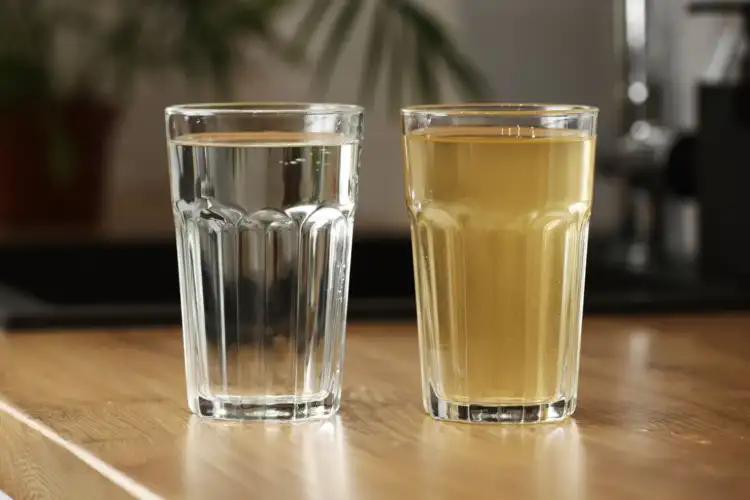 Manganese does not always announce itself the way iron does, but there are a few telltale signs worth watching for.
- Black manganese in water often shows up as dark, almost inky staining on sinks, tubs, and laundry, distinct from the orange or rust colored stains iron leaves behind.
- Manganese specks in water can appear as small black or brown particles settling at the bottom of a glass or clouding water after it sits for a while. This is oxidized manganese in water, meaning it has reacted with air or a treatment process and turned into a solid form that is now visible. If you are already dealing with visible particles, a sediment filter can catch a lot of that material before it reaches your fixtures.
- A slightly bitter or metallic taste, especially noticeable in coffee, tea, or ice cubes made from untreated water.
How to Test for Manganese in Water
The only reliable way to know how to test for manganese in water is through a proper water test, not guesswork based on stains alone. A basic test will tell you your exact manganese levels in drinking water, along with related readings for iron, hardness, and pH, which all factor into choosing the right treatment.
Because well water testing matters so much for accurate results, it is worth working with a professional rather than relying on an over the counter kit alone. Our post on well water testing matters walks through why seasonal changes can affect your results and when to retest.
How to Treat and Remove Manganese from Your Water
Once you know your levels, the next question is how to treat manganese in water effectively. The good news is that manganese removal is a well understood process, and most homes benefit from a whole home approach rather than a single faucet filter.
Learning how to get rid of manganese in water usually starts with oxidation, where manganese is converted into a solid form so it can be filtered out, followed by a filtration media designed to capture it. This is often paired with an iron filter, since iron and manganese removal in water treatment frequently happen through the same system. A properly sized whole house water filtration setup treats water at the point it enters your home, so every tap, appliance, and fixture gets the same protection.
If your home is on a public supply rather than a private well, manganese treatment in drinking water can still be relevant. Municipal water systems are treated to meet federal standards, but aging infrastructure or seasonal shifts can sometimes let manganese levels creep up before the next treatment cycle.
Protecting Your Home Beyond Just Water Quality
Treating manganese is not only about how your water looks or tastes. Left unaddressed, it can build up inside water heaters, washing machines, and dishwashers, shortening their lifespan and leading to more frequent repairs. Laundry can pick up gray or black staining over time, and fixtures can develop buildup that is difficult to clean once it sets in.
If you are still deciding whether to invest in your own system or continue renting equipment, our guide on buying water filtration breaks down the long-term cost and performance differences.
Consult a Water Filter Expert in Georgia
Metro Water Filter of the South has served homeowners across Georgia and the Southeast since 1972, and manganese is one of the most common issues we test for and treat. If you are noticing staining, odd taste, or simply want peace of mind, we offer a free in-home water test to identify exactly what is in your water and what it will take to fix it.
Explore our water filtration services in Georgia to find your local team, or contact a water filtration installer to schedule your free water quality check. Clean water should never come with a side of black stains or a metallic aftertaste, and if yours does, we can help you find out why.