
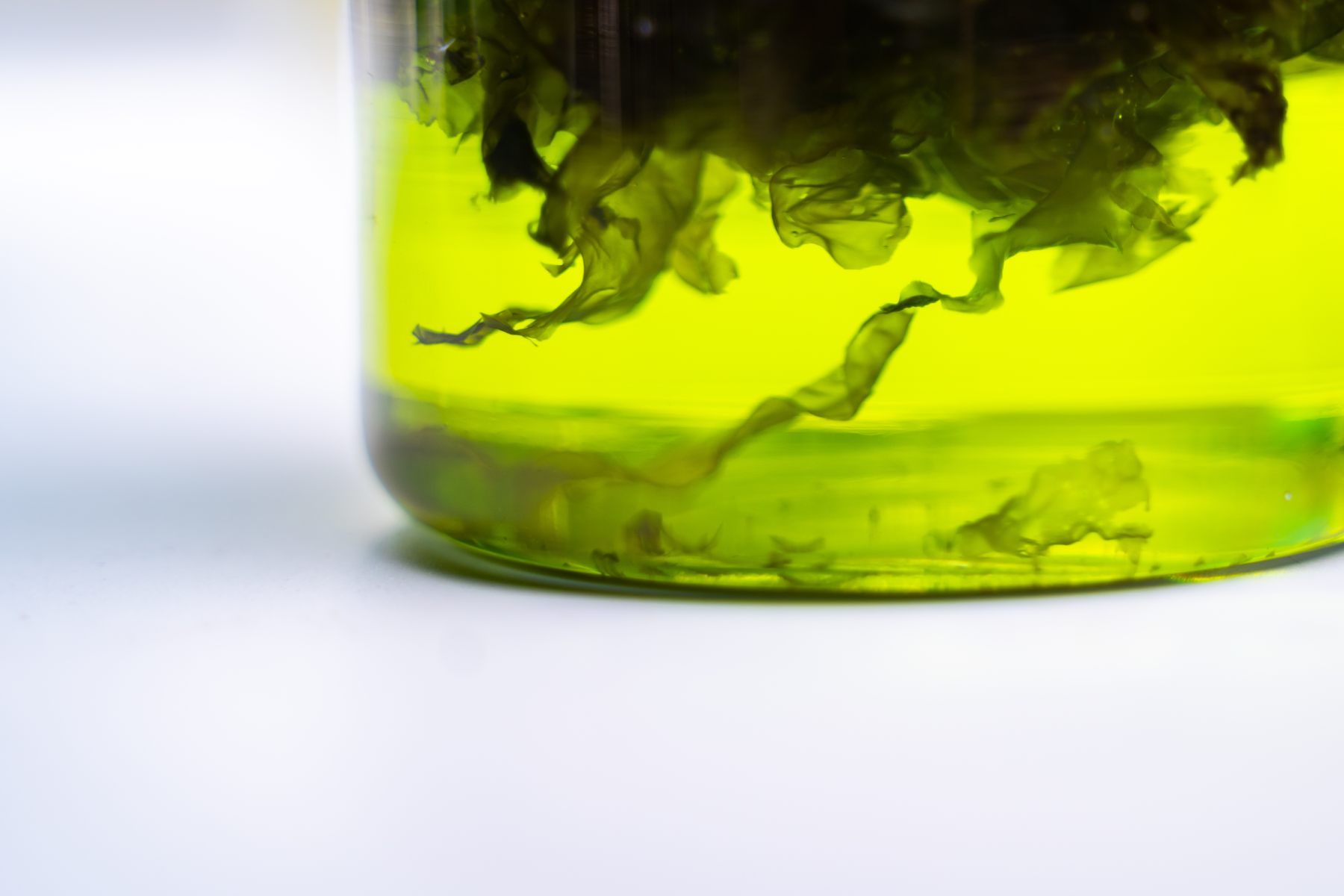

If you have spent a summer afternoon near Lake Lanier, Lake Allatoona, or any slow-moving pond in Georgia, you have probably seen it. A bright green or blue-green film spreading across the surface of the water, sometimes thick enough to look like spilled paint. That is often a sign of an algal bloom, and in some cases it is a harmful algal bloom that can pose real risks to people, pets, and livestock. Understanding what causes these blooms and how they can touch your water supply is the first step toward keeping your family safe.
What Are Harmful Algal Blooms?
Harmful algal blooms (HABs) happen when certain types of cyanobacteria, sometimes called blue-green algae, grow rapidly in a body of water. These organisms are naturally present in most lakes and ponds at low levels. Under the right conditions, their population can explode within days, covering the water’s surface in a dense mat.
What are harmful algal blooms in simple terms? They are overgrowths of algae that produce toxins capable of harming humans, pets, and wildlife. Not every bloom reaches that level, but when one does, the water it affects should be avoided until officials confirm it is safe again.
What Causes Harmful Algal Blooms?
Several conditions tend to line up at once to trigger a harmful algal bloom. Warm water temperatures, plenty of sunlight, and still or slow-moving water all create an ideal environment for cyanobacteria to multiply. Georgia’s long, hot summers make many of our lakes and ponds especially prone to this during July, August, and September.
The biggest driver behind harmful algal blooms causes, though, is excess nutrients in the water, particularly nitrogen and phosphorus. How is fertilizer runoff related to algal blooms? Rain washes fertilizer from farms, golf courses, and residential lawns into nearby streams and lakes. Those nutrients act like food for cyanobacteria, feeding rapid growth once the water warms up. Aging septic systems and stormwater runoff from paved areas add to the problem in many Georgia communities.
Are All Algal Blooms Harmful?
Not every bloom is dangerous, and this is an important distinction. Are all algal blooms harmful? No. Many algal blooms are simply a nuisance, turning water green or cloudy without producing any toxins at all.
A toxic algal bloom is different. It occurs when the cyanobacteria present happen to be toxin-producing species, and conditions allow them to release those toxins into the water. Since you cannot tell the difference by looking at the water alone, any dense bloom should be treated with caution until it has been tested or an advisory has been lifted. Toxic algal blooms are confirmed through water sampling, not by sight.
Why Are Harmful Algal Blooms Harmful to Your Health?
How can algal blooms be harmful if they are just algae? The concern is not the algae itself but the cyanotoxins some species release as they grow and die off. These toxins can affect the liver, nervous system, or skin depending on the type and level of exposure.
Why are algal blooms harmful in practical terms? Swimming in affected water can cause skin rashes, eye irritation, or stomach upset. Swallowing even small amounts of contaminated water can lead to more serious symptoms. Pets are especially vulnerable because they tend to drink directly from the water and groom algae out of their fur afterward, which has led to documented dog deaths near blooms in other states.
Are Harmful Algal Blooms Common in Georgia?
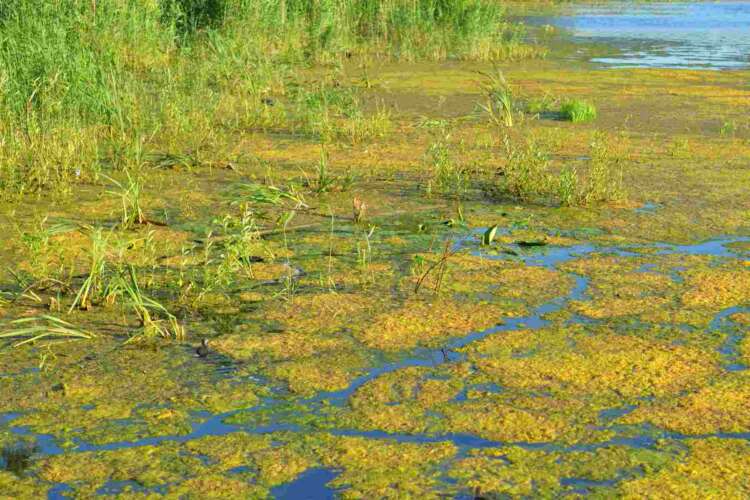 Georgia sees harmful algal blooms most summers, typically in warmer, nutrient-rich lakes and ponds rather than fast-moving rivers. The Georgia Environmental Protection Division and local health departments monitor reports and issue advisories for public lakes and recreation areas when a bloom is confirmed to be toxic.
If you are curious about what else affects your local supply beyond seasonal blooms, our overview of Georgia water quality covers the broader picture of what residents are dealing with throughout the year.
Monitoring for Harmful Algal Blooms
Monitoring for harmful algal blooms in Georgia is handled by a combination of state agencies, local health departments, and the EPA. Georgia DNR and EPD post advisories for public swimming areas when water samples confirm elevated toxin levels, and those postings are usually the fastest way to know whether a specific lake or beach is currently affected.
The EPA’s page on harmful algal blooms is a helpful resource if you want to understand how monitoring works on a national level and what signs to watch for at any body of water, not just the ones near you.
Can Harmful Algal Blooms Affect Tap Water?
Can harmful algal blooms affect tap water? It is possible, though most municipal water systems that draw from lakes affected by blooms have treatment processes designed to reduce cyanotoxins before water reaches your tap. Utilities increase monitoring and adjust treatment when a bloom is detected near an intake.
Private wells sit outside that safety net. Is well water safe during a harmful algal bloom? If your well is shallow or sits near a pond, lake, or stream experiencing a bloom, there is a real risk that surface water could influence your groundwater. This is one more reason private well water testing matters, especially if you notice unusual color, odor, or taste in your well water during the warmer months.
Can Boiling Water Remove Algae Toxins?
Can boiling water remove algae toxins? No, and this is a common misconception worth correcting. Boiling does not break down most cyanotoxins, and in some cases it can even concentrate them as water evaporates. If your water supply is under a bloom-related advisory, boiling is not a safe workaround. Follow the guidance your utility or health department provides instead.
Can a Water Filter Remove Cyanotoxins?
Can a water filter remove cyanotoxins? Some technologies are more effective than others, but no home filter should be treated as a guaranteed fix during an active advisory. Activated carbon filtration can reduce certain cyanotoxins under the right conditions, and reverse osmosis water filtration is generally considered one of the stronger options for removing a broad range of contaminants, including many found in affected water.
Even so, performance depends heavily on the specific toxin, its concentration, and how well a system is maintained. If you are on a well or suspect your water may be affected, the right first step is testing and guidance from your health department, not assuming any filter will fully solve the problem on its own.
What Should I Do If I See a Suspected Harmful Algal Bloom?
If you spot a dense, discolored mat on a lake, pond, or slow-moving stream, keep people and pets out of the water and away from the shoreline where scum collects. Report what you see to your local health department or Georgia EPD so they can test it and post an advisory if needed. Avoid drinking, cooking with, or giving pets water drawn directly from an affected source.
If the bloom is near your home or well, it is worth following up with a request for water quality testing so you know exactly what is in your water rather than guessing. Testing also helps rule out other issues that sometimes get mistaken for bloom-related problems, which our post on drinking water contaminants explores in more detail.
Talk to a Water Treatment Expert in Georgia
Harmful algal blooms are a seasonal reality across Georgia, but staying informed makes them far less worrying. Watch for posted advisories, keep pets and children away from visibly affected water, and test your well if a bloom shows up nearby.
Metro Water Filter of the South has served Georgia and the Southeast since 1972, and we offer a free in-home water test to help you understand what is actually in your water. Reach out to a water treatment expert today. Clean water should be something you do not have to think twice about, and if you are not sure yours is, we can help you find out.
HABs Frequently Asked Questions
Are harmful algal blooms common in Georgia?
Yes, they tend to appear most often in warm, nutrient-rich lakes and ponds during the summer months, and state agencies post advisories when one is confirmed.
Are all algal blooms toxic?
No. Many blooms are harmless, but since toxin-producing and non-toxic blooms can look similar, it is safest to avoid any dense bloom until it has been tested.
Can harmful algal blooms affect tap water?
Municipal systems generally treat for this risk, but private wells near an affected lake, pond, or stream are more vulnerable and worth testing.
Can boiling water remove algae toxins?
No. Boiling does not reliably break down cyanotoxins and can sometimes concentrate them further.
Can a water filter remove cyanotoxins?
Some filters, including activated carbon and reverse osmosis systems, can reduce certain toxins, but effectiveness varies and testing is still the safest first step.
Is well water safe during a harmful algal bloom?
Not automatically. Shallow wells or those near surface water carry added risk and should be tested if a nearby bloom is reported.
What should I do if I see a suspected harmful algal bloom?
Keep people and pets away from the water, report it to your local health department or Georgia EPD, and avoid using that water for drinking or cooking until it has been cleared.