
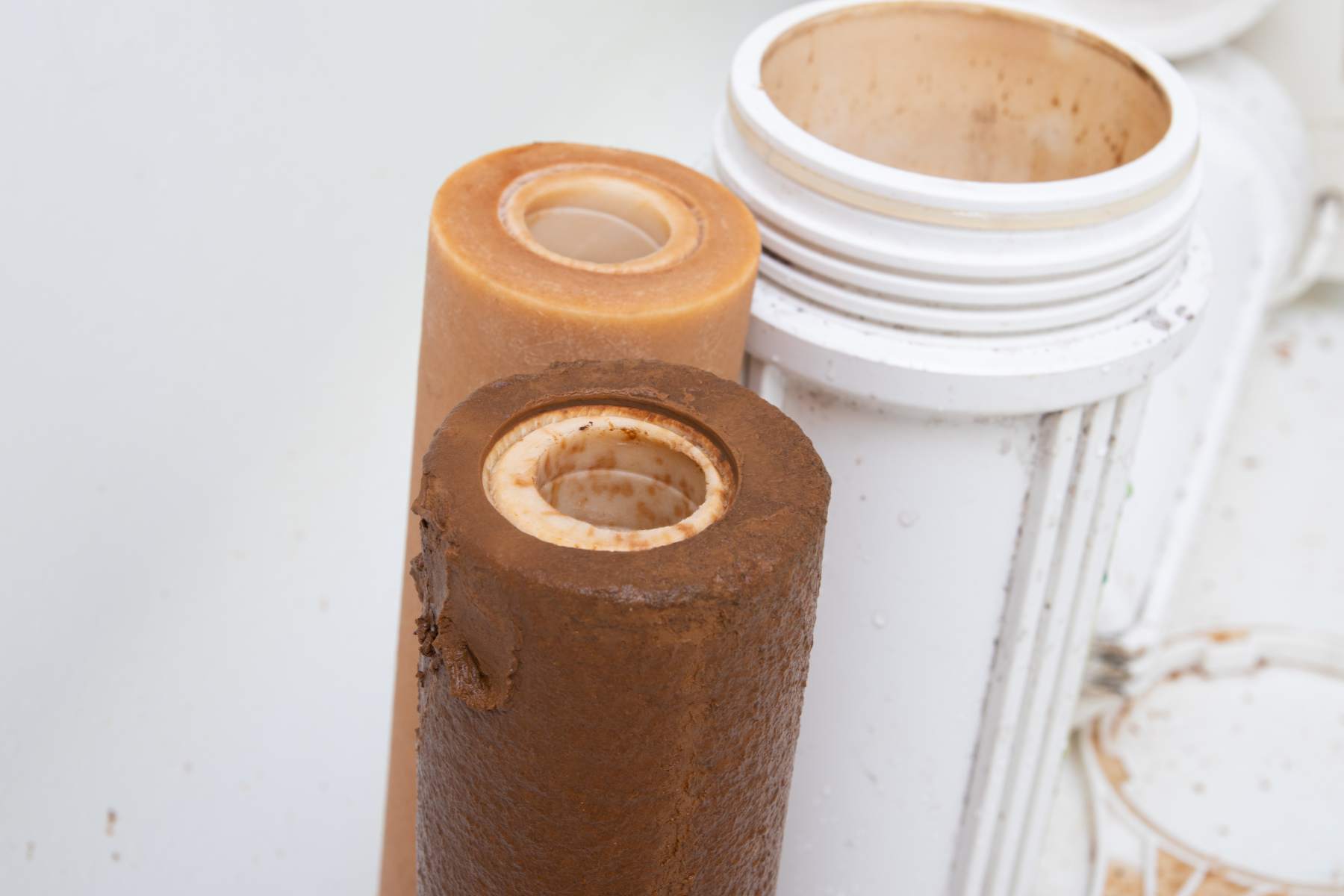

Every well water sediment filter has a job to do: catch sand, silt, rust, and other particles before they reach your pipes, appliances, and faucets. But like any filter, it can only hold so much before it stops doing that job well. A clogged sediment filter does not always announce itself clearly, and many homeowners live with sediment filter water problems for weeks before realizing your well water is being affected by a sediment filter well water setup that has simply reached its limit.
Sign 1: Low or dropping well water pressure
If you have been asking yourself why is my well water pressure low, a clogged filter is one of the most common culprits. As sediment builds up inside the filter cartridge, it restricts the flow of water passing through, and the pressure drops throughout your home. This is often gradual, which is why many homeowners do not notice it until pressure has dropped significantly. A well pump sediment filter that is doing too much work will eventually choke off flow entirely if it is not replaced.
Sign 2: Cloudy or discolored well water
Cloudy well water is one of the clearest signals that something has changed in your filtration setup. When a sediment filter becomes saturated, fine particles that it used to catch can start slipping past it, or backing up and stirring loose sediment already trapped inside. The result is water that looks hazy, gray, or tinted, even if it tested clear a few weeks earlier. A properly functioning sediment water filter should keep your water visibly clear between changes, so any sudden shift in clarity is worth investigating.
Sign 3: Visible sand, grit, or dirt in your water
Sand and dirt in well water are common complaints among Georgia well owners, especially after heavy rain when groundwater conditions shift. If you are finding sediment in well water at the faucet aerator, in your ice cubes, or settling at the bottom of a glass, your filter has likely stopped catching what it is supposed to. This is one of the more obvious signs of a clogged sediment filter, since it means particles are making it all the way to your tap.
Sign 4: The filter looks visibly dirty or discolored
What is a sediment filter doing when it works properly? It traps particles inside a cartridge so they never reach your plumbing. Over time, that cartridge darkens, discolors, or becomes visibly caked with sediment. If you pull your filter housing and see a cartridge that looks brown, gray, or packed with debris, that is a clear physical sign it needs to be swapped out, regardless of whether you have noticed pressure or clarity changes yet.
Sign 5: It has been longer than your recommended replacement schedule
Sediment filter replacement is not a one-time task. Most cartridge filters need replacing every one to three months depending on how much sediment your well produces, and a sediment pre-filter handling heavy loads may need attention even more often. If you cannot remember the last time you changed your filter, that alone is a sign worth acting on before any of the other symptoms show up.
How to fix a clogged well water sediment filter
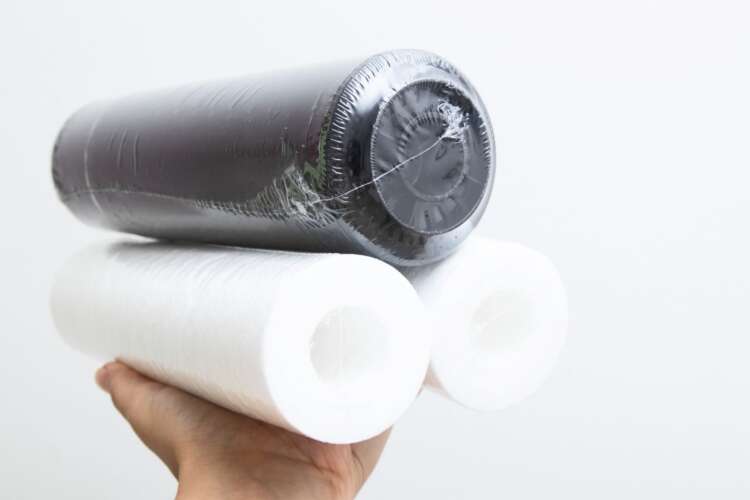
Fixing the immediate problem usually means replacing the cartridge, but a longer-term fix depends on understanding why the water filter sediment buildup happened so quickly in the first place. Good sediment water filtration is only as reliable as its last cartridge change, so if your well produces heavy sediment loads, a spin-down sediment filter installed ahead of your cartridge filter can catch the coarsest particles and extend the life of everything downstream. Choosing the right micron rating also matters. A filter rated too fine for your water will clog quickly no matter how often you replace it, while one rated too coarse will let particles through that cause the exact problems described above.
Well water filter maintenance going forward
Once you have addressed the immediate clog, a little routine attention prevents the problem from repeating. Some homes also benefit from adding a sediment post filter after their primary treatment stages, catching any fine particles that slip through earlier steps before water reaches sensitive fixtures. Mark your calendar for cartridge changes, keep an eye on your water pressure gauge if you have one installed, and pay attention to any return of cloudiness or grit. Sediment is rarely the only issue Georgia well owners deal with, and comparing different well water filters for iron, sulfur, or other contaminants alongside your sediment setup is often the first step toward a complete well water filtration system built around your actual water.
Get help from a well water filtration expert
A clogged well water sediment filter is usually a quick fix, but repeated clogging points to a bigger question about whether your current setup actually matches your well’s sediment levels. Metro Water Filter of the South has helped Georgia and Southeast homeowners solve sediment problems since 1972, and our team can test your water, recommend the right filter type and micron rating, and build a home well filtration system designed around what your well actually produces.
Contact a well water filtration expert today to schedule your free water test, and let’s get your pressure, clarity, and peace of mind back where they belong.