
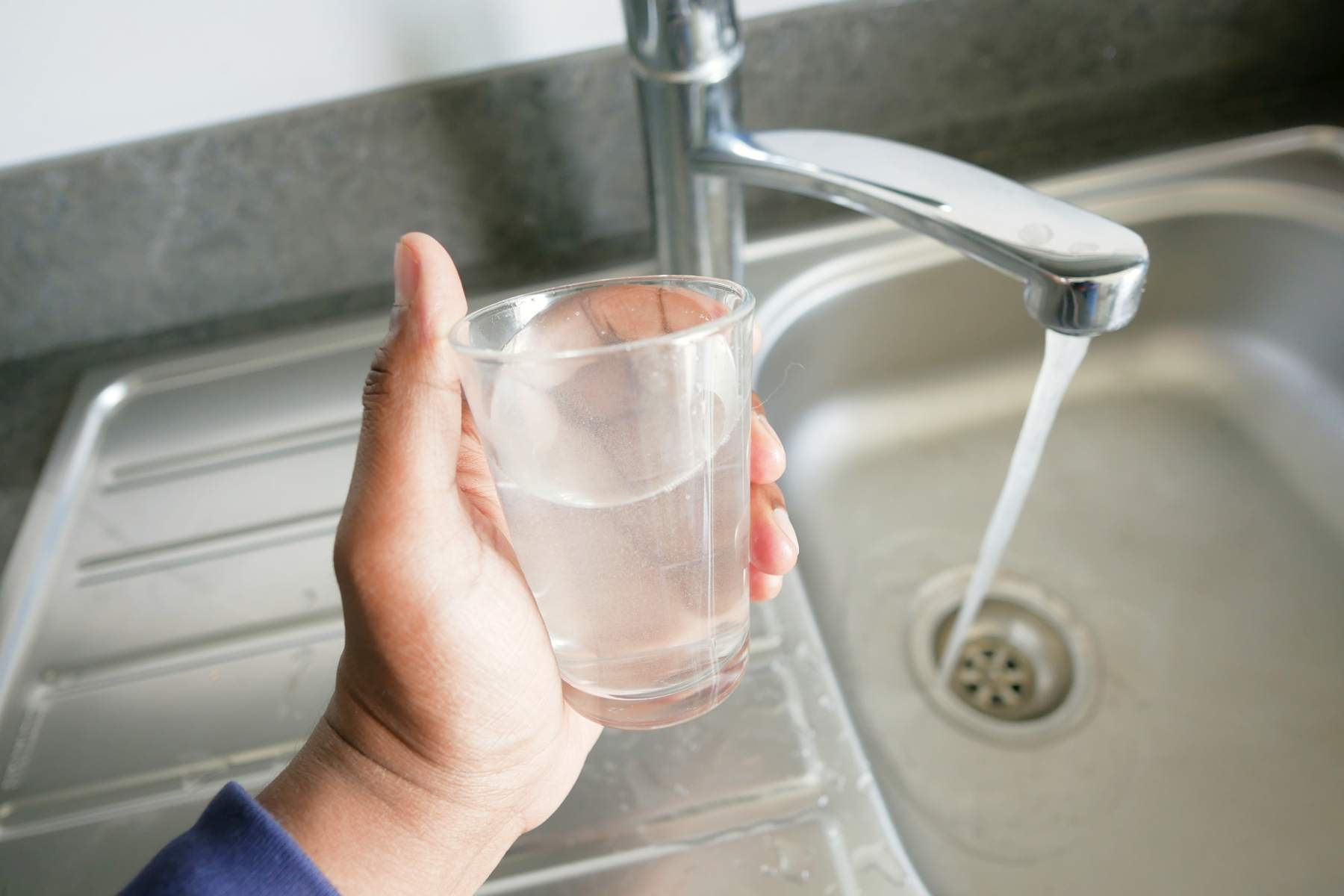

Most water contaminants give you some kind of warning. Hard water leaves spots on your dishes. Iron stains your sink a rusty orange. Nitrates in water do not work that way. They are invisible, tasteless, and odorless, which means the only real way to know if your water contains them is to test for them. That makes nitrates in drinking water one of the more overlooked risks for homeowners across Georgia, especially those on private wells.
What are Nitrates in Water?
Nitrates are a naturally occurring form of nitrogen that becomes a problem when concentrations climb too high. In small amounts, nitrates are common and generally harmless. In larger amounts, they typically point to a source of contamination nearby. Agricultural runoff, fertilizer application, septic systems, and animal waste are the most common contributors to elevated nitrate levels, which is why nitrates in well water tend to be more common in rural and agricultural areas than in tightly monitored municipal systems.
What is Nitrite in Water?
Nitrite is closely related to nitrate but is worth understanding on its own. When nitrate enters the body, it can convert into nitrite, which is the form that actually causes health concerns. Nitrite interferes with the blood’s ability to carry oxygen, and infants under six months are especially vulnerable to this effect, a condition often referred to as blue baby syndrome. Because nitrate can convert to nitrite after your water leaves the tap or even after it enters the body, testing for both gives you a fuller picture of your water’s safety.
Signs You Might Have Nitrates in Your Water
Since nitrates do not change how water looks, tastes, or smells, there are no reliable physical signs to watch for in the water itself. The signs to pay attention to are contextual instead:
- You have a private well. Wells are not subject to the same monitoring and treatment requirements as municipal water systems, which makes regular testing your responsibility.
- You live near farmland or livestock operations. Runoff from fertilizer and animal waste is a leading cause of elevated nitrate levels in nearby groundwater.
- You have a septic system on your property. Septic systems, especially older or poorly maintained ones, can contribute nitrogen to the surrounding soil and groundwater over time.
- Your well is shallow or was drilled without a modern casing. Shallow wells draw from groundwater that is closer to the surface, where nitrates from runoff are more concentrated.
None of these factors guarantee a nitrate problem, but they raise the odds enough that a water test is worth the time.
How to Test Water for Nitrates
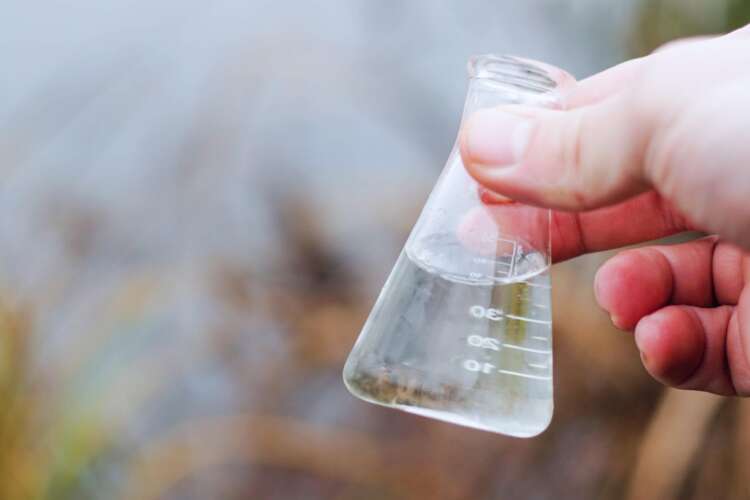 A nitrate water test is the only reliable way to know what is actually in your water. There are two main routes homeowners take:
At-home test kits. These use test strips or a simple color-change reaction to give you a general reading. They are useful as a first check but are not precise enough to catch borderline levels or confirm results with confidence.
Professional water testing. A lab-verified test gives you exact nitrate and nitrite concentrations along with a full breakdown of anything else in your water. This is the standard for anyone with a private well, and it is also worth pursuing if you rely on a public system but want to confirm what is coming out of your own tap. If your household is on a public supply, a municipal water test through your provider’s annual water quality report is a good starting point, though a private test still gives you the most complete picture for your specific home.
If you are on a well, testing should happen at least once a year, and more often if you are in an area with known agricultural activity nearby. Our guide to well water testing during summer in Georgia covers seasonal factors that can affect results.
Do Water Filters Remove Nitrates?
Not every water filter is built to handle nitrates. Standard sediment and carbon filters are effective against many common contaminants, but they are not designed to reduce nitrate concentrations. A reverse osmosis filter is currently the most effective residential option for reducing nitrates, since the process forces water through a membrane fine enough to remove dissolved contaminants that other filters pass right through. If your test results come back elevated, a nitrate water filter built around reverse osmosis technology is typically the recommended next step, and it is a topic detailed enough that we cover it fully in its own dedicated post on filtering nitrates from water.
Talk to a Water Quality Test Expert in Georgia
If you have a private well, live near farmland, or simply want confirmation of what is in your water, our water quality test experts can help. Metro Water Filter of the South has served homeowners across Georgia and the Southeast since 1972, and our team can walk you through well water testing, a municipal water test, or a full residential water filtration specialist consultation for your home.
Learn what to expect from free water quality testing, or reach out today to request a nitrate water test and get a clear answer about what is really in your water.