
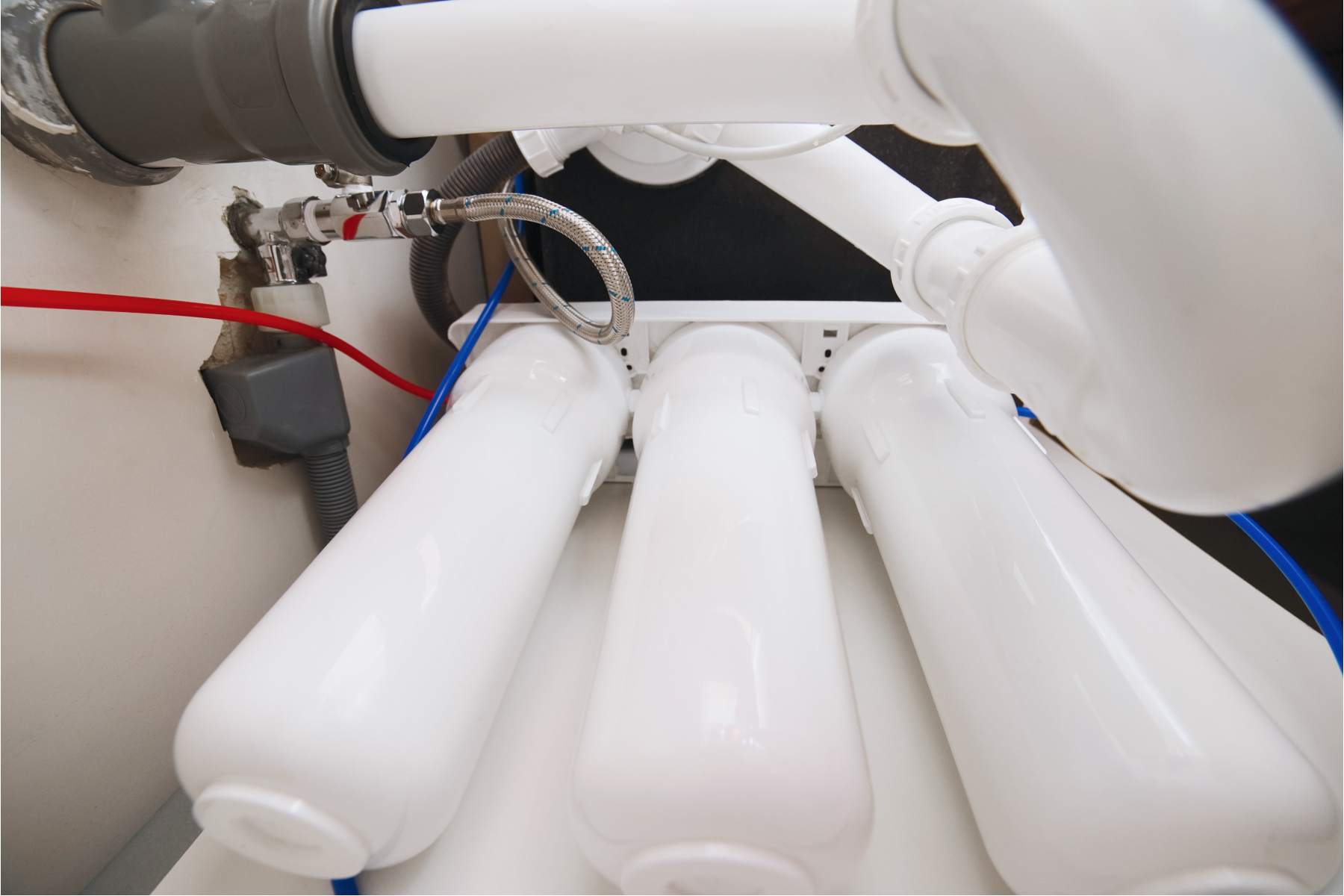

If you switched to a reverse osmosis system for cleaner drinking water, you may have noticed the water tastes a little flat compared to what you expected. That flatness is not your imagination. RO filtration is so thorough that it strips out nearly everything dissolved in the water, including the natural minerals that give water its taste. For homeowners across Georgia and the Southeast, reverse osmosis remineralization is the simple fix that brings those minerals back without giving up any of the filtration benefits you installed the system for.
Does Reverse Osmosis Remove Minerals?
Does reverse osmosis remove minerals? Yes. The RO membrane is designed to filter out particles down to the molecular level, and that includes beneficial minerals like calcium, magnesium, and potassium along with the contaminants you actually want removed.
Does reverse osmosis remove all minerals? In most home systems, yes, nearly all of them. This is also why many people ask does ro water have minerals at all once it comes out of the tap. On its own, standard RO water contains very little in the way of dissolved minerals. People sometimes ask does reverse osmosis remove electrolytes as well, and the answer is largely the same. Electrolytes like calcium, magnesium, sodium, and potassium are dissolved minerals, so an RO membrane filters most of them out right along with everything else.
What minerals does reverse osmosis remove specifically? The membrane targets calcium, magnesium, potassium, sodium, and trace minerals such as zinc and manganese, the same minerals that give tap water its natural taste and slight alkalinity.
Do You Need to Remineralize RO Water?
Do you need to remineralize ro water? Not every household decides to, but there are two good reasons most people choose to. The first is taste. Remineralized water has a noticeably fuller, more satisfying taste compared to the flat quality of mineral-free RO water straight off the membrane. The second is pH. Because RO water lacks the natural minerals that buffer acidity, it can trend slightly acidic, and water remineralization helps restore a more neutral pH before it reaches your glass.
If you are also curious how RO water compares to other purified options, our guide on reverse osmosis water versus distilled water breaks down the differences in mineral content between the two.
What Is Reverse Osmosis Remineralization?
Reverse osmosis remineralization is the final stage added to an RO system that reintroduces calcium, magnesium, and other trace minerals back into the water after filtration is complete. RO water remineralization happens after the membrane stage, so it never interferes with contaminant removal. It only adds minerals back into water that has already been thoroughly filtered.
Remineralizing reverse osmosis water does not undo any of the filtration your system already performs. It simply restores what the membrane removed along the way, giving you water that tastes better and sits closer to a natural, balanced pH.
How to Remineralize RO Water: Two Main Methods
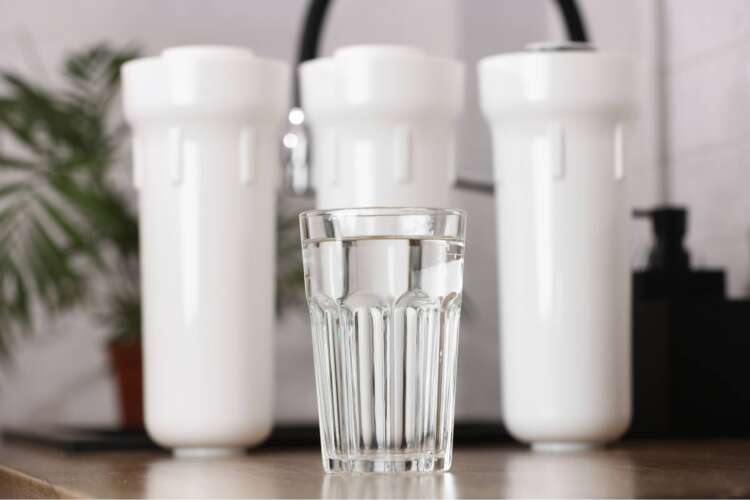 There are two common ways to approach how to remineralize reverse osmosis water, and the right one depends on your system and how hands-on you want to be with maintenance.
Remineralization Filter for RO Systems
A remineralization filter for an RO system is the most common long-term solution. This small cartridge, often called an RO remineralization cartridge, is installed as the last stage in your filtration setup, right before water reaches the faucet. As water passes through, it picks up calcium and magnesium from natural minerals packed inside the cartridge.
A reverse osmosis with remineralization setup like this requires very little extra thought once it is installed. The cartridge simply gets replaced on the same schedule as your other filters, so a reverse osmosis water filter with remineralization works continuously in the background. If you are shopping for a new setup, look specifically for an RO with remineralization option or an RO system with remineralization already included, since not every RO unit ships with this stage by default. You can browse Metro Water’s full line of RO filters to see which configurations include it.
Mineral Drops for RO Water
Mineral drops for reverse osmosis water are a flexible alternative for households that want more control without installing an additional cartridge. Mineral drops for RO water are added directly to a pitcher or bottle of filtered water, letting you adjust the amount based on taste.
If you are wondering how to add minerals to reverse osmosis water without a built-in filter stage, drops are usually the simplest starting point. Minerals for reverse osmosis water sold this way typically include a blend of calcium, magnesium, and potassium, and the minerals to add to RO water come in liquid form so they dissolve instantly. This is also the most common answer people find when searching how to add minerals to RO water naturally, since mineral drops use concentrated natural mineral sources rather than synthetic additives.
How to Remineralize Reverse Osmosis Water Step by Step
Whichever method you choose, adding minerals back to RO water generally follows the same basic process:
- Confirm whether your current RO system already has a remineralization stage installed.
- If it does not, decide between adding a remineralization filter or using mineral drops at the point of use.
- For a cartridge, have it installed as the final stage before your faucet, ideally by a technician familiar with your specific system.
- For drops, start with the manufacturer’s recommended amount per gallon and adjust to taste.
- Replace cartridges on the same schedule as your other RO filters to keep adding minerals to RO water consistent over time.
Adding minerals to reverse osmosis water this way restores taste and balances pH without reversing any of the contaminant removal your system provides.
Choosing a Reverse Osmosis System With Remineralization
If you are installing a new system or upgrading an older one, it is worth confirming remineralization is included from the start rather than adding it later. Our reverse osmosis safety guide addresses common concerns about RO water, including questions about acidity that remineralization directly solves. If you are also weighing filtration options more broadly, our comparison of reverse osmosis filter performance against carbon filtration can help you decide what fits your household best.
Before committing to a new system, it also helps to understand RO installation cost, since adding a remineralization stage is a modest upgrade compared to the overall cost of a quality system. For a broader look at what a well-equipped unit offers beyond remineralization, see our guide to the ro filter for home use.
Talk to a Reverse Osmosis Expert in Georgia
Reverse osmosis remineralization is a small addition that makes a real difference in how your water tastes and feels every day. Metro Water Filter of the South has served Georgia and the Southeast since 1972, and our team can help you choose or upgrade a ro home filtration system that includes the right remineralization stage for your household.
Reach out to a ro water filtration expert today to schedule a free consultation. Clean water should taste good too, and remineralization is often the missing piece.