

Your coffee tastes off. Your ice cubes look cloudy. Even a plain glass of tap water has a faint mineral edge you cannot quite place. If any of that sounds familiar, hard water taste is probably the culprit, and it is one of the most common complaints we hear from Georgia homeowners. The good news is that a reverse osmosis filter is one of the most reliable ways to solve it, restoring clean, neutral tasting water at every tap in your home. Reverse osmosis for hard water has become a go-to solution for exactly this kind of problem, and once you understand how reverse osmosis hard water treatment actually works, it is easy to see why.
Why Does Hard Water Taste Off?
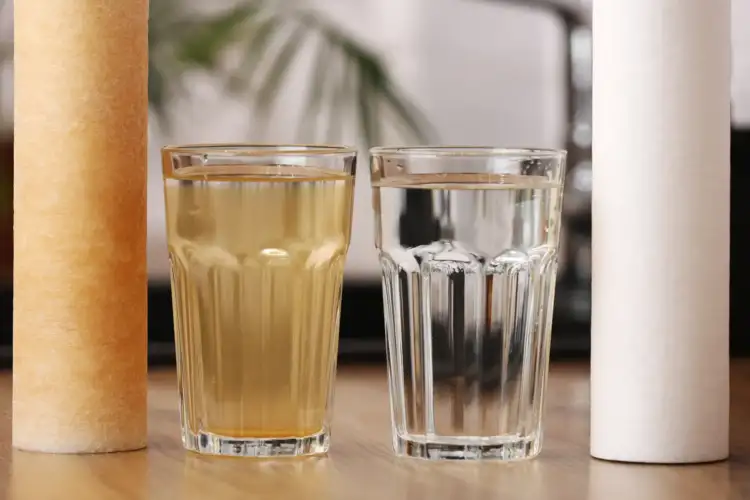
Hard water contains higher than normal levels of dissolved calcium and magnesium, minerals that occur naturally as groundwater moves through soil and rock. These minerals are not dangerous to drink, but they do affect flavor. Many people describe hard water taste as chalky, metallic, or slightly bitter, especially noticeable in coffee, tea, and plain drinking water where there is nothing else to mask it. The higher the mineral concentration, the more pronounced the taste tends to be.
Does Reverse Osmosis Remove Hard Water?
Yes. Reverse osmosis is one of the most effective methods available for addressing hard water at the source of the problem rather than just masking it. To understand why, it helps to know how reverse osmosis works: water is forced through a semipermeable membrane fine enough to block dissolved minerals, along with a wide range of other contaminants, while letting clean water molecules pass through. The result is reverse osmosis water with dramatically reduced mineral content and a noticeably cleaner, more neutral taste than what comes straight from the tap.
How a Reverse Osmosis Filter Tackles Hard Water Minerals
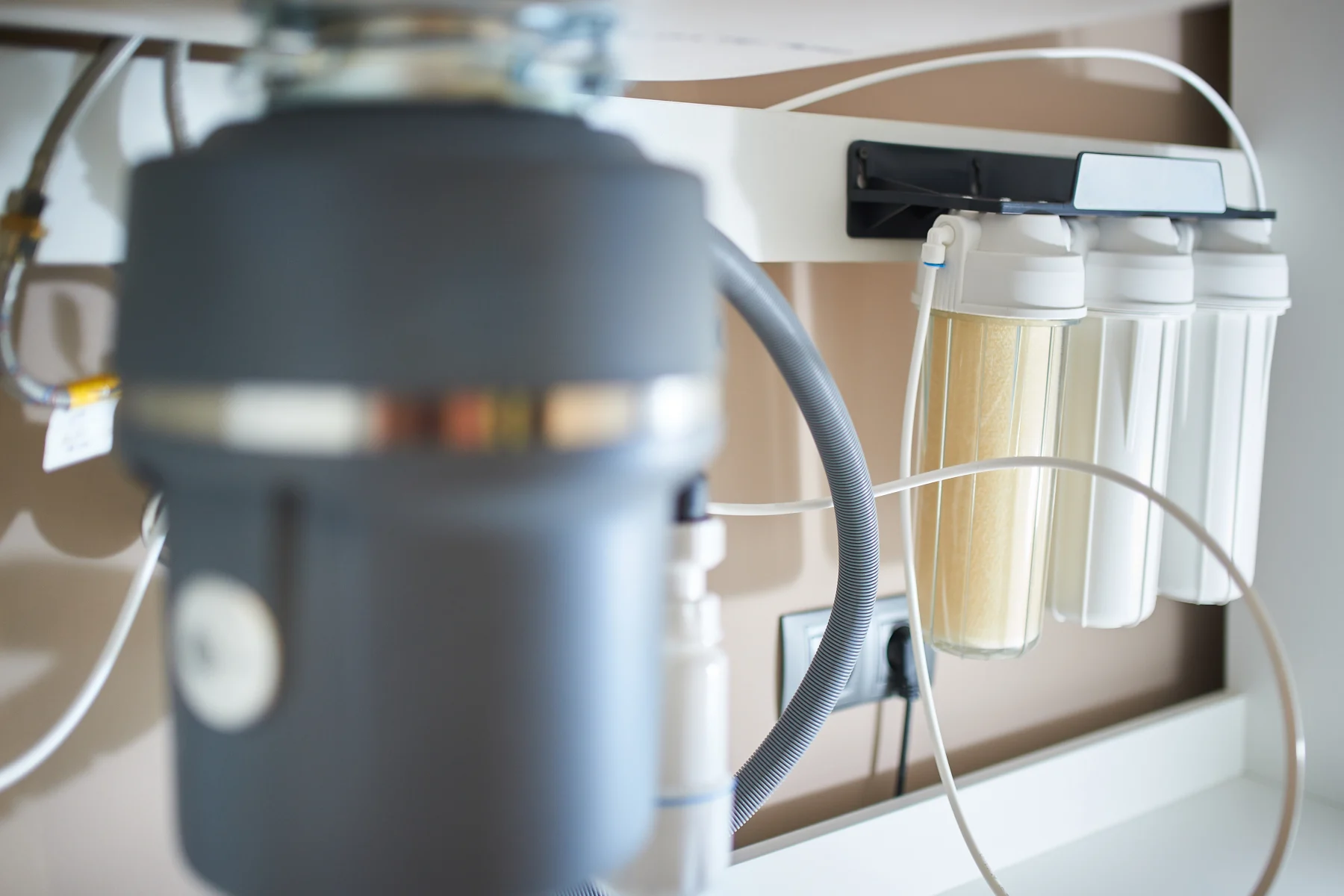
A ro water filter typically runs water through several stages, sediment and carbon pre-filters, the RO membrane itself, and a polishing filter, before it reaches your glass. Each stage removes a different category of impurity, with the membrane doing the heavy lifting on dissolved minerals like calcium and magnesium. Unlike a basic hard water filter or pitcher attachment, a full reverse osmosis water filter setup addresses hardness at every tap it serves rather than in small batches.
For homes with especially high mineral content, pairing a reverse osmosis system with a conditioning system upstream can extend the life of your RO membrane by reducing the mineral load it has to filter on its own. A well maintained ro filter system also needs periodic professional attention, since membranes and pre-filters wear down with continuous use.
Choosing the Best Reverse Osmosis System for Hard Water
 The best reverse osmosis system for hard water depends on how much of your home you want protected. A home reverse osmosis system installed under the kitchen sink is a popular starting point for drinking and cooking water, while whole house water filtration systems treat every tap, shower, and appliance connected to your plumbing. Businesses dealing with the same hard water taste complaints from customers or staff have options too. Commercial reverse osmosis systems are built to handle higher volumes without sacrificing performance, which matters for restaurants, hotels, and offices where water quality reflects directly on the guest experience.
If you are trying to decide between a compact under-sink unit and a larger installation, it also helps to understand the differences in ro filter type before you commit, since the right choice depends on your household’s water usage as much as your budget.
How to Make Hard Water Taste Better
If you are wondering how to make hard water taste better without overhauling your entire plumbing system, a reverse osmosis for drinking water setup at your kitchen sink is often the fastest fix. A compact ro system for drinking water targets exactly the taps you use most, without the cost of treating your whole home right away. It targets the water you actually drink and cook with, which is where hard water taste is most noticeable. Beyond taste, the benefits of reverse osmosis water systems extend to reduced scale buildup on glassware and appliances and a lower reliance on bottled water. Before deciding on a system, it is worth reviewing ro system cost so you know what to expect for both installation and long-term upkeep.
Testing Hard Water Before You Choose a Filter
Before installing any reverse osmosis filtered water setup, it makes sense to confirm exactly what is in your water and how severe the hardness actually is. Hard water testing gives you real numbers instead of guesswork, which helps determine whether a standalone RO system will solve the problem or whether a conditioning system should be part of the plan as well. Metro Water Filter of the South offers professional water testing services across Georgia, so you are never left choosing a system based on assumptions about your own tap.
Talk to a Hard Water Filtration Expert in Georgia
Metro Water Filter of the South has served homes and businesses across Georgia and the Southeast since 1972, and hard water taste is one of the most common reasons people reach out to us. Whether you need a simple under-sink reverse osmosis filter for drinking water, a whole house solution, or ongoing reverse osmosis system service for a setup you already own, our team can test your water and recommend the right path forward. Ready to get hard water treatment that actually solves the taste problem instead of just masking it? Reach out today and start enjoying water that tastes the way it should.