

If you step out of the shower feeling clean but find yourself itching minutes later, your first instinct might be to blame your soap or your skin. Before you overhaul your entire skincare routine, it is worth looking at something most people never think to question: the water itself. Itchy skin after a shower is a common complaint, and for many homeowners in Georgia, the water coming out of the showerhead is a significant part of the problem.
Why Do I Get Itchy After a Shower?
There are several reasons your skin might feel itchy after a shower, and water quality is one of the most overlooked. The most common water-related culprits include:
Hard water
Hard water contains elevated levels of calcium and magnesium minerals that do not rinse cleanly from skin. They leave behind a residue that clogs pores, strips away natural oils, and leaves skin feeling dry, tight, and irritated. Hard water is extremely common across Georgia and is one of the leading causes of itchy skin after a shower.
Chlorine
Municipal water supplies use chlorine for disinfection, and that chlorine does not disappear when it hits your skin. It strips the skin’s natural moisture barrier, leaving it dry and reactive. People with sensitive skin feel this effect more acutely, but it affects everyone to some degree.
Iron
High iron levels in water, particularly common in well water, can irritate the skin and contribute to dryness and itching. An iron water filter addresses this at the source before water ever reaches your shower.
Other Water Contaminants
Sediment, bacteria, and other dissolved substances in unfiltered water can all contribute to skin irritation depending on what your specific water contains.
Why Am I So Itchy After a Shower If My Water Looks Fine
Water does not have to look dirty to cause skin problems. Hard water is completely clear. Chlorine is invisible. Many of the contaminants that affect skin health have no visible signs at all. If you are consistently itchy after a shower and cannot find another explanation, checking your water quality is a logical next step. A professional water test tells you exactly what is in your water and gives you something concrete to work with.
Do I Need a Shower Filter or a Whole Home Filtration System
A point-of-use shower filter can reduce chlorine and some contaminants at a single showerhead, but it has real limitations. It does not address hard water minerals, and it only covers one fixture. If feeling itchy after a shower is your concern today, chances are your water is also affecting your skin at the sink, your hair health, your laundry, and your appliances. A residential water filtration system that treats water at the point of entry covers every tap and shower in the house. That is the difference between solving one symptom and actually addressing the problem. You can read more about whether filtered shower water is worth it and what to expect from the change.
How Home Water Filtration Helps With Itchy Skin After a Shower
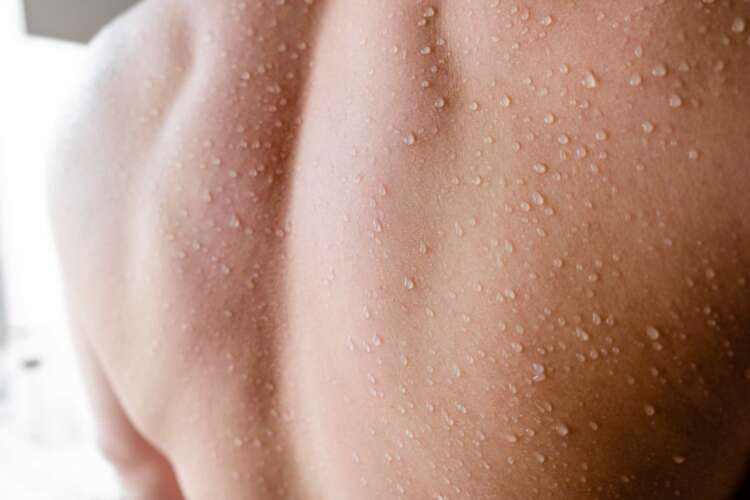
A properly configured home water filtration system removes or reduces the specific contaminants that are irritating your skin. For hard water, a conditioning filter for water addresses mineral content that dries out skin and leaves residue. A water conditioner is worth understanding as well if you are weighing your options for hard water treatment. For chlorine, a chlorine water filter reduces the chemical exposure your skin faces every time you shower. The result is water that is gentler on your skin barrier, which means less dryness, less irritation, and less itching after every shower. Many homeowners report a noticeable difference after switching to home water filtration, particularly those who have been dealing with persistent skin dryness without a clear cause.
Itchy Skin After Shower and Existing Skin Conditions
If you already have a skin condition like rosacea or eczema, the impact of unfiltered water can be even more pronounced. Water quality is not the root cause of these conditions, but it can absolutely make the symptoms worse. Our post on skin conditions covers how filtered water may help reduce flare-ups for people dealing with chronic skin sensitivity. Reducing unnecessary irritants in your water is one of the simplest steps you can take to support your skin, regardless of what else you are doing to manage a skin condition.
What About Hair? Your Water Affects More Than Just Your Skin
If your skin is reacting to your shower water, your hair likely is too. Hard water and chlorine are both known to damage the hair, leaving it dry, brittle, and prone to breakage. Many people spend money on conditioning treatments and professional products without realizing that the water they wash with is undoing the results. Home water filtration addresses the source of the problem rather than just treating the effects.
Talk to a Water Filter Specialist About Your Home
Every home’s water is different, and the right filtration solution depends on what your water actually contains. Metro Water Filter of the South has been helping homeowners across Georgia and the Southeast find the right answer since 1972. Check with a water filter specialist in your city or book a water filtration service to schedule your free in-home water test. Clean water should feel good on your skin, and if it’s not, we can help you find out why.